This is an ed2go Self-Paced Distance Learning Course.
Self-paced Tutorials (SPT) are designed for learners who prefer flexibility and self-guidance. You gain access to all materials, quizzes, and exams immediately upon enrollment. Courses last for 3 months and may include peer-to-peer discussions.
Prepare for a rewarding career as a valued member of the physical therapy team.
Prepare for a rewarding career as a valued member of the physical therapy team while learning all about the human body, specific disorders, and the way physical therapists treat these disorders. You will explore the history of physical therapy and the relationships between physical therapists, physical therapist assistants, and physical therapy aides. You will learn how to communicate effectively with other health care professionals and patients. You'll also come to understand the medical documentation that physical therapists use and principles of ethics and law that affect the PT aide.
Physical therapists often use words and terms that may be unfamiliar to you, so this course will devote some time to learning much of the language of PT. You'll learn proper body mechanics and how to safely move patients. You will come to understand the normal gait cycle and how to help patients walk with assistive devices like walkers, crutches, and canes. You will also investigate various balance and coordination disorders. By the time you finish this course, you'll have gained valuable knowledge and be well on your way to becoming an important member of the physical therapy team!
Click Here For Additional Course Information
Requirements:
Hardware Requirements:
This course can be taken on either a PC, Mac, or Chromebook.
Software Requirements:
PC: Windows 8 or later.
Mac: macOS 10.6 or later.
Browser: The latest version of Google Chrome or Mozilla Firefox are preferred. Microsoft Edge and Safari are also compatible.
This is an ed2go Self-Paced Distance Learning Course.
Self-paced Tutorials (SPT) are designed for learners who prefer flexibility and self-guidance. You gain access to all materials, quizzes, and exams immediately upon enrollment. Courses last for 3 months and may include peer-to-peer discussions.
Learn what it takes to have a successful career as a clinical medical assistant in the exciting and high-demand world of healthcare.
Demand for medical assistants will grow 23 percent through 2024, so there's never been a better time to explore a career in healthcare! This online course will give you an overview of job duties and scope of practice of clinical medical assistants. You will learn about the different types of medical records and how to enhance the overall patient experience. You will also get an introduction to charting patient complaints, creating progress notes and collecting medical history.
Click Here For Additional Course Information
Requirements:
Hardware Requirements:
This course can be taken on either a PC, Mac, or Chromebook.
Software Requirements:
PC: Windows 8 or later.
Mac: macOS 12 or later.
Browser: The latest version of Google Chrome or Mozilla Firefox are preferred. Microsoft Edge and Safari are also compatible.
Software must be installed and fully operational before the course begins.
Other:
Email capabilities and access to a personal email account.
Instructional Material Requirements:
The instructional materials required for this course are included in enrollment and will be available online.
Becoming a Clinical Medical Assistant
In this lesson, you'll discover the attributes, qualities, and job description of a medical assistant such as effective communication, knowledge, skill, good health and hygiene, empathy, integrity, a positive attitude, and ethical behavior. You'll explore a medical assistant's employment opportunities, which include a variety of healthcare facilities such as urgent care, outpatient clinics, laboratories, nursing facilities, and more. We will also discuss a medical assistant's expected ethical behavior, scope of practice, and compliance with healthcare laws, including HIPAA (privacy and security laws).
Medical Documents, Reports, and the Medical Record
This lesson will take a closer look at the medical record and various medical documents and reports. Medical assistants are expected to document accurately and professionally in the medical record, so we will explore how the electronic signature works and why it's necessary on medical documents. We will discuss the electronic health record and the electronic medical record. You will also learn about progress notes and how they are the heart of the medical record.
Telecommunications, Enhancing the Patient Experience, and Professionalism Attributes
In this lesson, you will learn about the various types of communications in the medical office and how to deal with difficult patients. We will discuss how the patient experience can influence the patient's perception of the medical assistant, the office, and the care received. You'll examine professional attributes such as being responsible, ethical, team-oriented, and to possess strong communication, interpersonal, and problem-solving skills. Today more than ever, employers are looking for employees with problem-solving skills and critical thinking capabilities.
Computers, Insurance, and Medical Billing and Coding
In this lesson, you'll learn the definitions of EMR (electronic medical record) and EHR (electronic health record), and you'll find out why the terms aren't synonymous. You'll also learn more about the financial features of practice management software.
Major Body Systems and Pathophysiology
In this lesson, you will learn about pathophysiology. We will discuss the 12 major body systems and common diseases and injuries affecting the human body.
The Chief Complaint and Patient History
This lesson will give you a comprehensive look at how to room the patient, record a proper chief complaint (CC), and collect the medical history of the patient (current, past, family, and social history) as related to your role as a clinical medical assistant. You'll learn about charting and how it can affect patients' care.
Recording Vital Signs
In this lesson, we'll discuss the importance of vital signs and measurements, and the name of the equipment used. You'll examine the procedures used to take the vital signs and body measurements of patients, which include body temperature, blood pressure, pulse (heart rate), respiratory rate, as well as body measurements such as height and weight.
The Physical Examination and the Laboratory Testing
This lesson will introduce you to the physical examination, specialty exams and procedures, and the medical laboratory. We'll explore the methods, examination positions, and instruments and supplies used by doctors to examine the body and the medical assistant's role in preparing the patient for specialty exams. This lesson will also discuss the purposes of laboratory testing, the different types of medical laboratories, and their quality standards.
Medical Asepsis, Infection Control, and Basic Microbiology
This lesson will discuss the steps in the infection cycle and about helpful and pathogenic (infectious) microorganisms. You will examine how to prevent transmission of infectious microorganisms and identify examples of personal protective equipment (PPE). We'll explain the importance of handwashing and the proper way to dispose of biohazard waste. Lastly, you will be introduced to the five areas of a microbiology lab.
Surgical Asepsis and Sterilization Techniques
In this lesson, you will learn about surgical asepsis and the different methods of sterilization such as autoclaving, chemical, gas, and dry heat. We'll discuss the importance of a surgical hand scrub in preventing healthcare-associated infections and how preparing the patient's skin with a prepping solution is a crucial step in preventing surgical site infections.
Basic Guidelines for Administration of Injections and Noninjectable Medications
This lesson will focus on the basic guidelines for administration of injections and noninjectable medications. You will also examine how to safely administer injectable medications by discussing the parts of a needle, the gauge, how to select the proper needle, and how to determine the volume of medication. You will also learn about the types of medication containers, injection techniques, and administration of oral and inhaled medications. Lastly, this lesson will cover types of medication errors, reporting an error, and preparing an incident report.
Emergencies and First Aid in the Medical Office
In this lesson, you'll explore emergencies in the medical office and first aid. We'll discuss the four types of shock and description and cause of each type. You will learn how to recognize symptoms of shock and the procedures on how to treat them immediately. You will also learn about diabetic emergencies, how to recognize the symptoms of insulin shock and diabetic ketoacidosis, and about administering insulin injections. Lastly, this lesson will discuss emergencies and administering first aid for patients with open wounds, burns, and musculoskeletal injuries.
This is an ed2go Self-Paced Distance Learning Course.
Self-paced Tutorials (SPT) are designed for learners who prefer flexibility and self-guidance. You gain access to all materials, quizzes, and exams immediately upon enrollment. Courses last for 3 months and may include peer-to-peer discussions.
Learn all about the in-demand career of medical information management as you explore the job of an administrative medical assistant (AMA) in a doctor's office—from appointment scheduling and chart creation to medical billing and coding.
Learn what it takes to have a successful career as an administrative medical assistant in the exciting and high-demand world of healthcare.
In this course, you will master the basics of scheduling patients' appointments, surgeries, and hospital admissions. In addition, you will discover how to create, maintain, and file medical charts. You will also find out how to verify patients' insurance, create encounter forms (charge tickets), post charges, obtain pre-authorizations from insurers, and schedule return visits.
After that, go behind the scenes as you learn how to apply diagnostic and procedure codes to patients' accounts and bill their insurance companies. Next, explore additional accounts receivable tasks including posting payments and adjustments, billing secondary insurance, and following up on unpaid insurance claims. You will also learn what a day sheet is, why it's important, and how to keep track of all your patient accounts on a daily, monthly, and yearly basis.
Finally, delve into the basics of keeping a medical office running smoothly—from ordering supplies to scheduling staff meetings and making travel arrangements.
If you're organized, a "people person," and interested in a secure job in the healthcare field, a career as an administrative medical assistant may be just what you're looking for. This course will set you on the path to that career and help you determine which aspect of medical information management—from patient contact to billing and coding—suits you best.
Click Here For Additional Course Information
Requirements:
Hardware Requirements:
This course can be taken on either a PC, Mac, or Chromebook.
Software Requirements:
PC: Windows 8 or later.
Mac: macOS 12 or later.
Browser: The latest version of Google Chrome or Mozilla Firefox are preferred. Microsoft Edge and Safari are also compatible.
Software must be installed and fully operational before the course begins.
Other:
Email capabilities and access to a personal email account.
Instructional Material Requirements:
The instructional materials required for this course are included in enrollment and will be available online.
The Medical Office and Administrative Medical Assistant
Looking for a fun, challenging job that's always in demand? If so, AMA (administrative medical assisting) may be just the field for you! In this lesson, look at the exciting job opportunities for AMAs, the variety of careers they can choose from, and the different settings where they can work.
Ethics, the Law, and HIPAA
The law and medicine go hand-in-hand—so today you will learn the laws you will want to know if you become an AMA. This lesson covers everything from contracts to malpractice and delve into HIPAA (a federal act that affects everyone in the health care field).
Computers and Office Equipment
Today's lesson explores the office equipment and computer hardware you're likely to use as an AMA. In addition, you will delve into software—both standard office programs and the specialized software we use in the field of medical information management.
Filing Processes and Equipment
If you think filing is a bore, this lesson will change your mind. You will discover what the rainbow of colored stickers on a medical file means, and you will even practice creating a patient chart yourself. You will also find out why medical offices love lateral files, and you will master the tricky rules of alphabetizing. (Yes, it's more challenging than it looks!)
Records Management
Now that you're an expert on the outside of a patient chart, it's time to look inside. Today you will find out which forms go in a medical record, and just where you will put each one. In addition, you will learn about two styles of note-taking: SOAP and CHEDDAR. And finally, you will delve into the topic of medical record audits and find out the legal way to correct a patient's chart.
Appointment Scheduling, Check-In, and Check-Out
It's time to introduce the star of the show: the patient. Today you will learn everything about what we call a patient encounter. This lesson focuses on the phone skills you can use to make appointments, handle questions, and soothe angry callers. Next, flip open the appointment book and explore the tricks for scheduling patients easily and efficiently. And finally, follow a patient's visit from start to finish, and see how many tasks an AMA does during that appointment.
Reception Area Tasks and Communication Skills
This lesson starts in the waiting room, where you will learn more about the tasks a receptionist handles—from opening and closing a medical office to keeping the reception area ship-shape. After that, understand barriers to communicating effectively with patients, and you will discover ways to overcome them. This lesson concludes with a fun and creative jobs that AMAs do: creating informational brochures and teaching aids.
Medical Insurance Basics
Medicare, Medicaid, managed care, commercial insurance—what does it all mean? In today's lesson, you will find out! First, you will learn the meaning of terms like managed care, capitation, and fee-for-service. Next, explore government programs like Medicare, Medicaid, Workers' Compensation, and TRICARE. By the time you're done, you will have a good feel for the many types of insurance an AMA handles every day.
The Medical Insurance Claim Form
Did you ever study an insurance claim form? If so, you know it contains dozens of mysterious questions and checkboxes. Well, today you will come face-to-face with one of these claim forms—and conquer it. By the end of your lesson, you will know how to fill in each field of the CMS-1500 claim form. In fact, you will even get to try it yourself!
Diagnostic Coding
Medical coding is a hot field for AMAs, so it's a great specialty if you're looking for job security. In today's lesson, you will take a quick look at diagnostic coding and see why it's both fun and challenging. Explore the ICD-10-CM, talk about the detective work involved in abstracting a diagnostic statement, and explore the steps of coding a diagnosis.
Procedural Coding
This lesson finishes up your tour of medical coding with an overview of procedural coding. First, you will learn all about a manual called the CPT and discover how to use it to code everything from surgeries to X-rays to acupuncture. After that, you will examine a second manual called the HCPCS ("hix-pix"), which contains codes for ambulances, root canals, and much more. This lesson also delves into anesthesia coding, a tricky but rewarding sub-specialty.
The Business Office
The final lesson concludes with a visit to the business office and focuses on how AMAs keep track of the money coming in and going out. In addition, you will learn about inventory control and supply ordering—two crucial jobs that help keep a medical office running smoothly. Finally, explore payroll management and investigate several jobs that fall under the umbrella of human resources.
This is an ed2go Self-Paced Distance Learning Course.
Self-paced Tutorials (SPT) are designed for learners who prefer flexibility and self-guidance. You gain access to all materials, quizzes, and exams immediately upon enrollment. Courses last for 3 months and may include peer-to-peer discussions.
Learn how to use the CPT manual and the ICD-10-CM to find medical codes for any disease, condition, treatment, or surgical procedure.
This is your chance to find out what it's really like to be a medical coder. In this course, you'll learn exactly what medical coders do on a daily basis. You'll learn to use the CPT manual and the ICD-10-CM to find medical codes for any disease, condition, treatment, or surgical procedure which will give you a leg up on other people who are new to this career. The knowledge you gain here will help you work almost anywhere in the medial field—doctors' offices, clinics, public health facilities, hospitals, labs, nursing homes, insurance agencies, or even the comfort of your own home.
As you explore a career in medical coding, you'll also explore each of the main systems of the human body—integumentary (skin), musculoskeletal, respiratory, cardiovascular, gastrointestinal, endocrine, and male and female genitourinary—outlining the medical terminology, conditions, diseases, injuries, treatments, and procedures you will see most often in each of these systems.
Along the way, you will see numerous real-world examples and coding exercises to help you begin using your coding tools in conjunction with your analytical skills to come up with just the right choices to describe any medical situation. As you explore a career in medical coding, you'll get all the hands-on experience and knowledge you need to begin your career with confidence. Check it out, because this might just be a great career choice for you!
Click Here For Additional Course Information
Requirements:
Hardware Requirements:
This course can be taken on either a PC, Mac, or Chromebook.
Software Requirements:
PC: Windows 8 or later.
Mac: macOS 10.6 or later.
Browser: The latest version of Google Chrome or Mozilla Firefox are preferred. Microsoft Edge and Safari are also compatible.
Software must be installed and fully operational before the course begins.
Other:
Email capabilities and access to a personal email account.
Learn how to use the CPT manual and the ICD-10-CM to find medical codes for any disease, condition, treatment, or surgical procedure.
Medical Coding Basics
The first lesson explores the history of medical insurance and medical coding. After that, take a few minutes to get familiar with the coding books and tools that medical coders use. This lesson finishes up with an important discussion about patient privacy and confidentiality.
Coding in the Real World
Today's lesson takes a close look at how medical professionals use medical codes in the real world. Get to know the common form medical coders use and explore the different types of medical codes you will find in your coding books. By the time you finish this lesson, you will understand how the different types of codes come together on a claim and how they tell the insurance company a complete story about any doctor-patient encounter.
Getting to Know Your CPT Manual
In this lesson, take a detailed tour through the CPT manual where you will find medical codes for the procedures and treatments doctors and other medical professionals provide their patients. You will learn all about the CPT symbols, modifiers, and unlisted procedures. By the end of this lesson, you will be looking up your first codes!
Getting to Know Your ICD-10-CM
Similar to the last lesson, you will take a detailed tour through the other coding book used in this course, the ICD-10-CM, which is where you will find the codes for any disease, illness, condition, or symptom that a patient may have. You will learn all about the ICD-10-CM's symbols, formatting, and other conventions; and you will learn where to find external cause codes and Z-codes. By the end of this lesson, you will begin to practice coding diagnoses.
Coding the Integumentary System
Today begins a series of lessons that take you in depth into just one body system at a time, so you can understand specific medical coding situations for each area of the human body. This lesson explores the integumentary (skin) system. You will review the code categories for the most common skin conditions, infections, injuries, and procedures, and then practice coding cases that involve common skin problems.
Coding the Musculoskeletal System
In this lesson, you will learn all about the musculoskeletal system and study some important musculoskeletal vocabulary. Review the code categories for the most common muscle and bone conditions and injuries and learn how to code the procedures doctors use to treat common problems.
Coding the Respiratory System
Today focuses on the respiratory system, and how to code the most common respiratory conditions and injuries. After that, you will practice coding the most common respiratory procedures that doctors use on their patients.
Coding the Cardiovascular System
Explore the cardiovascular system in today's lesson. You will learn how to code common heart, vein, and artery conditions and diseases, and then you will learn how to code the procedures doctors use most often to treat these common diagnoses. As always, this lesson follows up on cardiovascular diseases and procedures with coding practice.
Coding the Digestive and Endocrine Systems
In this lesson, you will learn all about the digestive system and the endocrine system. Begin by studying some important vocabulary for both systems, and then review the code categories for the most common conditions, diseases, and injuries. After that, explore the procedures doctors perform to fix digestive and endocrine system problems.
Coding the Male and Female Genitourinary Systems
In the last of your system-specific lessons, you will review the male and female genitourinary systems; and learn how to code common conditions, diseases, and procedures for both systems. You will also spend time discussing maternity and childbirth and the special medical coding challenges you will need to consider in those cases.
Evaluation and Management (E/M) Codes
Ready to get to know Evaluation and Management codes? Today, you will learn the three key components of any E/M service, and I'll provide you with some helpful charts you can use to narrow down an E/M code range to a final E/M code. And as you probably guessed, this lesson ends with plenty of E/M coding practice!
Surgical Packages and Modifiers
In the final lesson, you will find out what's included in a surgical package and what's not. You will also learn all about modifiers and find out why medical coders use them to let insurance companies know about special circumstances. Finally, you will put everything you've learned throughout the course together by coding some practice scenarios that incorporate all of the different types of codes!
Directional Terms and Word Combinations
Here in the final lesson, it's time to put everything you've learned together. You will look at roots, prefixes, and suffixes, and see how they create combined medical terms from body system to body system. You will also learn some directional terms that are commonly used in medicine. You will find that your assignment for this lesson provides you the opportunity to decipher a complete medical note.
This is an ed2go Instructor-Led Distance Learning Course.
Instructor-led Courses (ILC) are for students who prefer a structured learning pace with instructor support. Lessons are released biweekly. These courses have fixed monthly start dates and may include peer-to-peer or instructor discussions.
Prepare for a rewarding career as a valued member of the physical therapy team.
Prepare for a rewarding career as a valued member of the physical therapy team while learning all about the human body, specific disorders, and the way physical therapists treat these disorders. You will explore the history of physical therapy and the relationships between physical therapists, physical therapist assistants, and physical therapy aides. You will learn how to communicate effectively with other health care professionals and patients. You'll also come to understand the medical documentation that physical therapists use and principles of ethics and law that affect the PT aide.
Physical therapists often use words and terms that may be unfamiliar to you, so this course will devote some time to learning much of the language of PT. You'll learn proper body mechanics and how to safely move patients. You will come to understand the normal gait cycle and how to help patients walk with assistive devices like walkers, crutches, and canes. You will also investigate various balance and coordination disorders. By the time you finish this course, you'll have gained valuable knowledge and be well on your way to becoming an important member of the physical therapy team!
Click Here For Additional Course Information
Requirements:
Hardware Requirements:
This course can be taken on either a PC, Mac, or Chromebook.
Software Requirements:
PC: Windows 8 or later.
Mac: macOS 10.6 or later.
Browser: The latest version of Google Chrome or Mozilla Firefox are preferred. Microsoft Edge and Safari are also compatible.
Software must be installed and fully operational before the course begins.
Other:
Email capabilities and access to a personal email account.
Instructional Material Requirements:
The instructional materials required for this course are included in enrollment and will be available online.
Prepare for a rewarding career as an important member of the physical therapy team. This course will teach you about the workings of the human body, various disorders, patient safety, and even how to speak the language of physical therapy.
Introduction to Physical Therapy
In this lesson, you'll be introduced to the profession of physical therapy (PT). You'll learn about the history of PT and how two wars and an epidemic created a need for this profession. To help you understand what makes PTs different from other health care professionals, this course will discuss the types of patients who need PT and the types of treatment PTs use. You'll understand the important difference between PTs, PT assistants, and PT aides as you come to understand the special role of PT aides.
Communication for the Physical Therapy Aide
As a PT aide, you'll communicate with many different people, so this lesson will focus on the communication skills you'll need to help you communicate with your supervising PT, patients, and their families. You'll learn about some of the challenges you'll face when communicating with sick or injured people, and how to demonstrate the traits of empathy, respect, and patience. You'll also spend some time on SOAP notes—the method many medical personnel use to document their evaluations and patient treatments.
Ethics and Law for the PT Aide
This very important lesson will help you stay out of trouble by discussing the law and ethics for the PT aide. You'll learn the differences between law and ethics and why you must be concerned about both. You'll go over the American Physical Therapy Association's Code of Ethics, relating its principles to PT aides. You'll also learn about the American Hospital Association's A Patient's Bill of Rights so you'll know how you should treat patients in different situations. You'll want to understand both negligence and malpractice, so this lesson covers those topics, too. Finally, you'll spend some time on the very important topic of patient confidentiality. You can face stiff penalties if you violate patient confidentiality, so you need to have a thorough understanding of this topic.
The Language of Physical Therapy
Have you ever noticed that every profession has its own unique language? The health care profession is no different. As a PT aide, it's vitally important that you understand the language that PTs use, which is the focus of this lesson. You'll cover planes of the body and directional terms. You'll also learn the terms that define the body's major regions and body cavities. The movements of joints have special names; this lesson will define them and include lots of graphics that demonstrate these movements. You'll finish up by learning some other terms related to function and movement in the last chapter.
Anatomy and Physiology: Part 1
In this lesson, you'll begin learning about the body's organ systems. You'll go over how your body is organized, from atoms to an entire individual. You'll learn about the muscular, skeletal, nervous, endocrine, circulatory, and lymphatic systems. You'll also learn about the organs in each of these systems, the jobs they perform, and disorders affecting these systems that are commonly treated by PTs.
Anatomy and Physiology: Part 2
In this lesson, you'll continue learning about the organ systems. To start out, you'll see how human organ systems are interrelated and how a problem with one system will affect the others. You'll then move on to a discussion of the integumentary (skin), digestive, urinary, respiratory, and reproductive systems. You'll learn about each system's organs, function, and some common disorders. You'll finish the lesson with a discussion of the most important concept in human physiology—homeostasis. Homeostasis means the drive of your body to keep many different variables, like blood pressure and temperature, within a certain range. You'll find out why this is so crucial and how you might be asked to monitor homeostasis while caring for patients.
Safety for the Physical Therapy Aide: Part 1
You'll start learning about specific safety issues in this lesson, focusing on infection control. Anyone working in healthcare must understand the meaning of infection, its causes, and how it spreads. To help you understand this, this lesson discusses the chain of infection and what you can do to break that chain so that the infection doesn't spread from one person to another. You'll spend some time on an infection called MRSA because it's so common and dangerous. Since proper hand hygiene is the most effective way to stop infection from spreading, you'll go over the Centers for Disease Control and Prevention's guidelines. You'll also learn about patient-care equipment, environmental control, and the role of vaccinations.
Safety for the Physical Therapy Aide: Part 2
You'll explore important safety issues again in this lesson, but this time, instead of infection, you'll focus on proper body mechanics and safe patient transfers. Body mechanics means the posture of your body and how you move it. You must understand proper body mechanics to protect yourself from injury. The lesson starts out with a discussion of the anatomy of the spine since the spine gets hurt most often when you ignore proper body mechanics. It talks about proper posture and the importance of paying attention to your center of gravity. It also goes over a list of principles for using proper body mechanics and guidelines for moving patients in a variety of different situations. You'll also learn about lifting machines, which PTs now commonly use to transfer patients.
Helping Patients Walk
Most people take walking for granted, but many patients must learn to walk again after an illness or injury. PTs often ask their aides to help with this, so you must understand what types of conditions make it hard for people to walk. You should also understand the normal gait cycle, so this lesson will spend some time on that topic and tell you about common deviations from normal gait. You'll also learn about different ambulatory devices, including parallel bars, walkers, crutches, and canes and how they're used in PT.
Using Physical Agents
PTs use physical agents, rather than medications or surgery, to treat patients. These agents include heat, cold, ultrasound, traction, and electricity. To explain these agents, you'll start by learning about the relationship between a disease or injury and one's ability to perform activities of daily living. You'll then follow a fictitious Mrs. Smith as she struggles to recover from a car accident. You'll learn about the physical agents her PT chooses and how they affect her body. You'll end by learning about contraindications (when an agent should never be used) and precautions (when an agent must be used with extra care).
Use of Exercise: Part 1
Along with physical agents, PTs use exercise to treat patients. In this lesson, you'll learn about three types of exercise—strength training, aerobic exercise, and range-of-motion exercise. You'll learn how muscles are put together and why resistance is necessary to build strength. This lesson will teach you about three important principles you should know when supervising a strength training program. You'll also go over aerobic exercise and learn how it increases a person's ability to use oxygen. Finally, you'll learn about range-of-motion exercises. You'll find out how PTs measure how far a patient can move a joint and why joints sometimes become limited in their motion. You'll learn about different types of range-of-motion exercises and important principles to follow.
Use of Exercise: Part 2
In the final lesson, you'll explore balance, coordination, and developmental delays. This lesson focuses on children, but the information will be helpful if you're treating adults, too. You'll learn about a special sensory system called the vestibular system and how important it is for maintaining balance. You'll view examples of activities PTs use to treat children with balance problems, and learn about the adaptive response—something PTs continually look for when treating children. The lesson will move on to a discussion of developmental coordination disorder, and you'll learn how important it is for professionals to properly diagnose this condition. Moving onto the subject of developmental delays, you'll learn about developmental milestones and how PTs treat children who fail to meet those milestones. You'll also see how PTs use developmental activities with adults who have sustained traumatic brain injuries.
What you will learn
Learn about the human body, specific disorders, and how physical therapists can treat these disorders
Learn about proper body mechanics and how to safely help patients with range of motion
Explore the history of physical therapy and identify the various functions carried out by working physical therapists
Acquire needed skills for communicating with sick or injured people, and learn how to demonstrate the traits of empathy, respect, and patience as a PT
How you will benefit
Gain valuable communication skills and insights about the human body that are valuable in any line of work
Attain the crucial knowledge and skills you will need to advance toward a rewarding career in physical therapy
Discover strength training, aerobic exercises, and range-of-motion exercises that are personally beneficial to you and to those you love
Holly Trimble
Holly Trimble earned a bachelor's degree in Physical Therapy from the University of Colorado, a master's degree in Pediatric Physical Therapy from Boston University, a master's degree in Biology from the University of Nebraska at Kearney, and a doctoral degree in Physical Therapy from Arcadia University. After working as a physical therapist for many years, Dr. Trimble transitioned into teaching. She has lectured on health-related topics to all age groups and has taught middle and high school science courses in both private and public school settings. She currently teaches Anatomy and Physiology for a local community college system, where she has taught for the past 15 years. Holly received the Adjunct Faculty Excellence Award both of the years she was nominated and is the author of the eBook, "College Success Now!"
This is an ed2go Instructor-Led Distance Learning Course.
Instructor-led Courses (ILC) are for students who prefer a structured learning pace with instructor support. Lessons are released biweekly. These courses have fixed monthly start dates and may include peer-to-peer or instructor discussions.
Learn what it takes to have a successful career as a clinical medical assistant in the exciting and high-demand world of healthcare.
Demand for medical assistants will grow 23 percent through 2024, so there's never been a better time to explore a career in healthcare! This online course will give you an overview of the job duties and scope of practice of clinical medical assistants. You will learn about the different types of medical records and how to enhance the overall patient experience. You will also get an introduction to charting patient complaints, creating progress notes, and collecting medical history.
Click Here For Additional Course Information
Requirements:
Hardware Requirements:
This course can be taken on either a PC, Mac, or Chromebook.
Software Requirements:
PC: Windows 8 or later.
Mac: macOS 12 or later.
Browser: The latest version of Google Chrome or Mozilla Firefox are preferred. Microsoft Edge and Safari are also compatible.
Software must be installed and fully operational before the course begins.
Other:
Email capabilities and access to a personal email account.
Instructional Material Requirements:
The instructional materials required for this course are included in enrollment and will be available online.
Becoming a Clinical Medical Assistant
In this lesson, you'll discover the attributes, qualities, and job description of a medical assistant such as effective communication, knowledge, skill, good health and hygiene, empathy, integrity, a positive attitude, and ethical behavior. You'll explore a medical assistant's employment opportunities, which include a variety of healthcare facilities such as urgent care, outpatient clinics, laboratories, nursing facilities, and more. The lesson will also discuss a medical assistant's expected ethical behavior, scope of practice, and compliance with healthcare laws, including HIPAA (privacy and security laws).
Medical Documents, Reports, and the Medical Record
This lesson will take a closer look at the medical record and various medical documents and reports. Medical assistants are expected to document accurately and professionally in the medical record, so you will explore how the electronic signature works and why it's necessary on medical documents. The lesson will then discuss the electronic health record and the electronic medical record. You will also learn about progress notes and how they are the heart of the medical record.
Telecommunications, Enhancing the Patient Experience, and Professionalism Attributes
In this lesson, you will learn about the various types of communications in the medical office and how to deal with difficult patients. The lesson will discuss how the patient experience can influence the patient's perception of the medical assistant, the office, and the care received. You'll examine professional attributes such as being responsible, ethical, team-oriented, and to possess strong communication, interpersonal, and problem-solving skills. Today more than ever, employers are looking for employees with problem-solving skills and critical thinking capabilities.
Computers, Insurance, and Medical Billing and Coding
In this lesson, you'll learn the definitions of EMR (electronic medical record) and EHR (electronic health record) and find out why the terms aren't synonymous. You'll also learn more about the financial features of practice management software.
Major Body Systems and Pathophysiology
In this lesson, you will learn about pathophysiology and explore the 12 major body systems. You'll learn about common diseases and injuries that affect the human body.
The Chief Complaint and Patient History
This lesson will give you a comprehensive look at how to room the patient, record a proper chief complaint (CC), and collect the medical history of the patient (current, past, family, and social history) as related to your role as a clinical medical assistant. You'll learn about charting and how it can affect patients' care.
Recording Vital Signs
This lesson will discuss the importance of vital signs and measurements, and the name of the equipment used. You'll examine the procedures used to take the vital signs and body measurements of patients, which include body temperature, blood pressure, pulse (heart rate), respiratory rate, as well as body measurements such as height and weight.
The Physical Examination and the Laboratory Testing
This lesson will introduce you to the physical examination, specialty exams and procedures, and the medical laboratory. You'll explore the methods, examination positions, instruments, and supplies used by doctors to examine the body and the medical assistant's role in preparing the patient for specialty exams. This lesson will also discuss the purposes of laboratory testing, the different types of medical laboratories, and their quality standards.
Medical Asepsis, Infection Control, and Basic Microbiology
This lesson will discuss the steps in the infection cycle and about helpful and pathogenic (infectious) microorganisms. You will examine how to prevent transmission of infectious microorganisms and identify examples of personal protective equipment (PPE). The lesson will explain the importance of handwashing and the proper way to dispose of biohazard waste. Lastly, you will be introduced to the five areas of a microbiology lab.
Surgical Asepsis and Sterilization Techniques
In this lesson, you will learn about surgical asepsis and the different methods of sterilization such as autoclaving, chemical, gas, and dry heat. The lesson will discuss the importance of a surgical hand scrub in preventing healthcare-associated infections and how preparing the patient's skin with a prepping solution is a crucial step in preventing surgical site infections.
Basic Guidelines for Administration of Injections and Noninjectable Medications
This lesson will focus on the basic guidelines for the administration of injections and noninjectable medications. You will also examine how to safely administer injectable medications by discussing the parts of a needle, the gauge, how to select the proper needle, and how to determine the volume of medication. You will also learn about the types of medication containers, injection techniques, and administration of oral and inhaled medications. Lastly, this lesson will cover types of medication errors, reporting an error, and preparing an incident report.
Emergencies and First Aid in the Medical Office
In this lesson, you'll explore emergencies in the medical office and first aid. The lesson will discuss the four types of shock and description and cause of each type. You will learn how to recognize symptoms of shock and the procedures on how to treat them immediately. You will also learn about diabetic emergencies, how to recognize the symptoms of insulin shock and diabetic ketoacidosis, and about administering insulin injections. Lastly, this lesson will discuss emergencies and administering first aid for patients with open wounds, burns, and musculoskeletal injuries.
What you will learn
Describe the job duties, skills, scope of practice, and values of a clinical medical assistant.
Explain the information contained in different types of medical records.
Recognize the importance of enhancing the patient experience.
Summarize the main functions and common diseases of the 12 body systems.
Explain the purpose of the chief complaint and identify the parts of a patient's medical history in a progress note.
Discuss the importance of vital signs, and name the equipment used when measuring vital signs.
Identify various methods, positions, and instruments used for examining a patient.
Explain the importance of hand-washing and personal protective equipment in asepsis and infection control.
List the basic guidelines for administering medications.
Recognize emergencies in the ambulatory medical setting.
How you will benefit
Learn if a career in healthcare is right for you and where you fit in
Open the door to new career opportunities and discover a fulfilling career path
Meggen Leigh Green
Meggen Leigh Green is registered nurse who previously worked as clinical medical assistant for over 10 years at a large pediatric group. As a medical assistant, Meggen worked as both a clinical supervisor and team leader, overseeing all clinical staff training, ongoing education, evaluations, vaccine inventory, and laboratory certifications. She holds a Medical Assisting degree and ASN RN degree from Ivy Tech.
This is an ed2go Instructor-Led Distance Learning Course.
Instructor-led Courses (ILC) are for students who prefer a structured learning pace with instructor support. Lessons are released biweekly. These courses have fixed monthly start dates and may include peer-to-peer or instructor discussions.
Learn what it takes to have a successful career as an administrative medical assistant. This course explores the job of an administrative medical assistant (AMA) in a doctor's office—from appointment scheduling and chart creation to medical billing and coding—to give you an inside-view of the job.
Learn what it takes to have a successful career as an administrative medical assistant in the exciting and high-demand world of healthcare.
In this course, you will master the basics of scheduling patients' appointments, surgeries, and hospital admissions. In addition, you will discover how to create, maintain, and file medical charts. You will also find out how to verify patients' insurance, create encounter forms (charge tickets), post charges, obtain pre-authorizations from insurers, and schedule return visits.
After that, go behind the scenes as you learn how to apply diagnostic and procedure codes to patients' accounts and bill their insurance companies. Next, explore additional accounts receivable tasks including posting payments and adjustments, billing secondary insurance, and following up on unpaid insurance claims. You will also learn what a day sheet is, why it's important, and how to keep track of all your patient accounts on a daily, monthly, and yearly basis.
Finally, delve into the basics of keeping a medical office running smoothly—from ordering supplies to scheduling staff meetings and making travel arrangements.
If you're organized, a "people person," and interested in a secure job in the healthcare field, a career as an administrative medical assistant may be just what you're looking for. This course will set you on the path to that career and help you determine which aspect of medical information management, such as patient contact or billing and coding, suits you best.
Click Here For Additional Course Information
Requirements:
Hardware Requirements:
This course can be taken on either a PC, Mac, or Chromebook.
Software Requirements:
PC: Windows 8 or later.
Mac: macOS 12 or later.
Browser: The latest version of Google Chrome or Mozilla Firefox are preferred. Microsoft Edge and Safari are also compatible.
Software must be installed and fully operational before the course begins.
Other:
Email capabilities and access to a personal email account.
Instructional Material Requirements:
The instructional materials required for this course are included in enrollment and will be available online.
The Medical Office and Administrative Medical Assistant
Looking for a fun, challenging job that's always in demand? If so, AMA (administrative medical assisting) may be just the field for you! In this lesson, you'll look at the exciting job opportunities for AMAs, the variety of careers they can choose from, and the different settings where they can work.
Ethics, the Law, and HIPAA
The law and medicine go hand-in-hand, so this lesson will teach you the laws that you'll need to know if you become an AMA. The lesson will cover everything from contracts to malpractice and will also delve into HIPAA (a federal act that affects everyone in the health care field).
Computers and Office Equipment
In this lesson, you'll explore the office equipment and computer hardware that you're likely to use as an AMA. In addition, you will delve into software—both standard office programs and the specialized software used in the field of medical information management.
Filing Processes and Equipment
If you think filing is a bore, this lesson will change your mind. You will discover what the rainbow of colored stickers on a medical file means, and you will even practice creating a patient chart yourself. You will also find out why medical offices love lateral files, and you will master the tricky rules of alphabetizing. (Yes, it's more challenging than it looks!)
Records Management
Now that you're an expert on the outside of a patient chart, it's time to look inside. In this lesson, you will find out which forms go in a medical record and just where to put each one. In addition, you will learn about two styles of note-taking: SOAP and CHEDDAR. Finally, you will delve into the topic of medical record audits and find out the legal way to correct a patient's chart.
Appointment Scheduling, Check-In, and Check-Out
It's time to introduce the star of the show: the patient. You will learn everything about a patient encounter. This lesson will focus on the phone skills you can use to make appointments, handle questions, and soothe angry callers. Next, flip open the appointment book and explore the tricks for scheduling patients easily and efficiently. Finally, you'll follow a patient's visit from start to finish, and see how many tasks an AMA does during that appointment.
Reception Area Tasks and Communication Skills
This lesson will start in the waiting room, where you will learn more about the tasks a receptionist handles—from opening and closing a medical office to keeping the reception area ship-shape. After that, understand barriers to communicating effectively with patients, and you will discover ways to overcome them. The lesson will conclude with a fun and creative jobs that AMAs do: creating informational brochures and teaching aids.
Medical Insurance Basics
Medicare, Medicaid, managed care, commercial insurance—what does it all mean? In this lesson, you will find out! First, you will learn the meaning of terms like managed care, capitation, and fee-for-service. Next, you'll explore government programs like Medicare, Medicaid, Workers' Compensation, and TRICARE. By the time you're done, you will have a good feel for the many types of insurance an AMA handles every day.
The Medical Insurance Claim Form
Have you ever studied an insurance claim form? If so, you know it contains dozens of mysterious questions and checkboxes. As part of this lesson, you will come face-to-face with one of these claim forms and learn how to conquer it. By the end of the lesson, you will know how to fill in each field of the CMS-1500 claim form. In fact, you will even get to try it yourself!
Diagnostic Coding
Medical coding is a hot field for AMAs, so it's a great specialty if you're looking for job security. In this lesson, you will take a quick look at diagnostic coding and see why it's both fun and challenging. Explore the ICD-10-CM, talk about the detective work involved in abstracting a diagnostic statement, and explore the steps of coding a diagnosis.
Procedural Coding
This lesson will finish up your tour of medical coding with an overview of procedural coding. First, you will learn all about a manual called the CPT and discover how to use it to code everything from surgeries to X-rays to acupuncture. After that, you will examine a second manual called the HCPCS ("hix-pix"), which contains codes for ambulances, root canals, and much more. This lesson will also delve into anesthesia coding, a tricky but rewarding sub-specialty.
The Business Office
The final lesson will conclude with a visit to the business office and focuses on how AMAs keep track of the money coming in and going out. In addition, you will learn about inventory control and supply ordering—two crucial jobs that help keep a medical office running smoothly. Finally, you'll explore payroll management and investigate several jobs that fall under the umbrella of human resources.
What you will learn
Master the basics of scheduling patients' appointments, surgeries, and hospital admissions
Discover how to create, maintain, and file medical charts
Learn how to verify patients' insurance, create encounter forms (charge tickets), post charges, obtain pre-authorizations from insurers, and schedule return visits
Learn how to apply diagnostic and procedure codes to patients' accounts and bill their insurance companies
Learn what a day sheet is, why it's important, and how to keep track of all your patient accounts on a daily, monthly, and yearly basis
Understand the basics of keeping a medical office running smoothly-from ordering supplies to scheduling staff meetings and making travel arrangements
How you will benefit
Learn whether or not a career in healthcare is right for you and where you fit in
Open the door to new career opportunities and discover a fulfilling career path
Carline Dalgleish
Carline Dalgleish has worked in medical office administration for over 30 years. She holds a bachelor's degree in Business Information Systems, a master's degree in Leadership, and a post-baccalaureate certificate in Health Information Management. She is a Registered Health Information Administrator and an AHIMA Approved ICD-10-CM/PCS Trainer. Dalgleish is the author of an ICD-10 coding system and also owns her own consulting firm, AnnGrant Educational Services.
This is an ed2go Instructor-Led Distance Learning Course.
Instructor-led Courses (ILC) are for students who prefer a structured learning pace with instructor support. Lessons are released biweekly. These courses have fixed monthly start dates and may include peer-to-peer or instructor discussions.
Learn how to use the CPT manual and the ICD-10-CM to find medical codes for any disease, condition, treatment, or surgical procedure.
This is your chance to find out what it's really like to be a medical coder. In this course, you'll learn exactly what medical coders do on a daily basis. You'll learn to use the CPT manual and the ICD-10-CM to find medical codes for any disease, condition, treatment, or surgical procedure, which will give you a leg up on other people who are new to this career. The knowledge you gain here will help you work almost anywhere in the medial field—doctors' offices, clinics, public health facilities, hospitals, labs, nursing homes, insurance agencies, or even the comfort of your own home.
As you explore a career in medical coding, you'll also explore each of the main systems of the human body—integumentary (skin), musculoskeletal, respiratory, cardiovascular, gastrointestinal, endocrine, and male and female genitourinary—outlining the medical terminology, conditions, diseases, injuries, treatments, and procedures you will see most often in each of these systems.
Along the way, you will see numerous real-world examples and coding exercises to help you begin using your coding tools in conjunction with your analytical skills to come up with just the right choices to describe any medical situation. As you explore a career in medical coding, you'll get all the hands-on experience and knowledge you need to begin your career with confidence. Check it out, because this might just be a great career choice for you!
Click Here For Additional Course Information
Requirements:
Hardware Requirements:
This course can be taken on either a PC, Mac, or Chromebook.
Software Requirements:
PC: Windows 8 or later.
Mac: macOS 10.6 or later.
Browser: The latest version of Google Chrome or Mozilla Firefox are preferred. Microsoft Edge and Safari are also compatible.
Software must be installed and fully operational before the course begins.
Other:
Email capabilities and access to a personal email account.
Instructional Material Requirements:
The instructional materials required for this course are not included in enrollment.
A CPT Manual, Professional Edition, and an ICD-10-CM Manual are required for this course.
Please note: Current manuals are not encouraged, but books published within the past five years work very well. It's not necessary to buy the books before the course starts. There is further guidance about books provided in the opening discussion board.
Explore a career as a medical coder and gain knowledge to help you work, with confidence, almost anywhere in the medical field from doctors' offices, clinics, hospitals, or even in the comfort of your home. This course teaches use of the CPT manual and IDC-10-CM which will give you a leg up on others who are new to this career.
Medical Coding Basics
The first lesson explores the history of medical insurance and medical coding. After that, take a few minutes to get familiar with the coding books and tools that medical coders use. This lesson finishes up with an important discussion about patient privacy and confidentiality.
Coding in the Real World
In this lesson, you'll take a close look at how medical professionals use medical codes in the real world. Get to know the common form medical coders use and explore the different types of medical codes you will find in your coding books. By the time you finish the lesson, you will understand how the different types of codes come together on a claim and how they tell the insurance company a complete story about any doctor-patient encounter.
Getting to Know Your CPT Manual
In this lesson, take a detailed tour through the CPT manual where you will find medical codes for the procedures and treatments doctors and other medical professionals provide their patients. You will learn all about the CPT symbols, modifiers, and unlisted procedures. By the end of this lesson, you will be looking up your first codes!
Getting to Know Your ICD-10-CM
Similar to the last lesson, you will take a detailed tour through the other coding book used in this course, the ICD-10-CM, which is where you will find the codes for any disease, illness, condition, or symptom that a patient may have. You will learn all about the ICD-10-CM's symbols, formatting, and other conventions; and you will learn where to find external cause codes and Z-codes. By the end of this lesson, you will begin to practice coding diagnoses.
Coding the Integumentary System
Starting with this lesson, you'll begin a series of lessons that take you in depth into one body system at a time, which will help you understand specific medical coding situations for each area of the human body. This lesson explores the integumentary (skin) system. You will review the code categories for the most common skin conditions, infections, injuries, and procedures, and then practice coding cases that involve common skin problems.
Coding the Musculoskeletal System
In this lesson, you will learn all about the musculoskeletal system and study some important musculoskeletal vocabulary. Review the code categories for the most common muscle and bone conditions and injuries and learn how to code the procedures doctors use to treat common problems.
Coding the Respiratory System
This lesson focuses on the respiratory system, and how to code the most common respiratory conditions and injuries. After that, you will practice coding the most common respiratory procedures that doctors use on their patients.
Coding the Cardiovascular System
In this lesson, you'll explore the cardiovascular system. You'll learn how to code common heart, vein, and artery conditions and diseases and how to code the procedures doctors use most often to treat these common diagnoses. As always, this lesson follows up on cardiovascular diseases and procedures with coding practice.
Coding the Digestive and Endocrine Systems
In this lesson, you will learn all about the digestive system and the endocrine system. Begin by studying some important vocabulary for both systems, and then review the code categories for the most common conditions, diseases, and injuries. After that, explore the procedures doctors perform to fix digestive and endocrine system problems.
Coding the Male and Female Genitourinary Systems
In the last of your system-specific lessons, you will review the male and female genitourinary systems; and learn how to code common conditions, diseases, and procedures for both systems. You will also spend time discussing maternity and childbirth and the special medical coding challenges you will need to consider in those cases.
Evaluation and Management (E/M) Codes
Ready to get to know Evaluation and Management codes? In this lesson, you will learn the three key components of any E/M service and discover some helpful charts you can use to narrow down an E/M code range to a final E/M code. And as you probably guessed, this lesson ends with plenty of E/M coding practice!
Surgical Packages and Modifiers
In the final lesson, you will find out what's included in a surgical package and what's not. You will also learn all about modifiers and find out why medical coders use them to let insurance companies know about special circumstances. Finally, you will put everything you've learned throughout the course together by coding some practice scenarios that incorporate all of the different types of codes!
What you will learn
Learn how to use the CPT manual and the ICD-10-CM to find medical codes
Discover the medical terminology, conditions, diseases, injuries, treatments, and procedures you'll see most often in each of the main systems of the human body
Learn to come up with just the right codes to describe any medical situation
How you will benefit
Get all the hands-on experience you'll need to code medical insurance claims with confidence
Know how to find your way through both the CPT manual and the ICD-10-CM manual
Begin your journey to a career as a medical coder
Jennifer Della'Zanna
Jennifer Della'Zanna has more than 20 years of experience in the healthcare industry, having worked as a medical transcriptionist, practice administrator, biller, and coding specialist. She writes courses and study guides on the use of technology in health care and regularly contributes to publications about health issues. Della'Zanna is a member of the American Academy of Professional Coders and the Association for Healthcare Documentation Integrity. She holds a Bachelor of Arts from Albright College.
This is an ed2go Instructor-Led Distance Learning Course.
Instructor-led Courses (ILC) are for students who prefer a structured learning pace with instructor support. Lessons are released biweekly. These courses have fixed monthly start dates and may include peer-to-peer or instructor discussions.
Take your first step toward a career as a healthcare documentation specialist, also called medical transcription! You will learn traditional transcription of the most common medical reports used in both inpatient and outpatient settings and learn about the skills needed for voice recognition (VR) editing and scribing.
Take your first step toward becoming a medical transcriptionist, otherwise known as a healthcare documentation specialist! In this medical transcriptionist training, you will learn the traditional transcription of the most common medical reports used in both inpatient and outpatient settings and the skills needed for voice recognition (VR) editing and scribing. During your training, you will review grammar you might have forgotten since high school and apply it to the reports. You will have the opportunity to work with real dictation using the same tools medical transcriptionists use.
In this medical transcriptionist course, we will also look at how you can further your education to take advantage of the new job markets available to transcriptionists, voice recognition editors, and scribes so you can position yourself for the future in this exciting field. By the end of the course, you will know the basics of the major reports and key clinical points of major disease processes.
Click Here For Additional Course Information
Requirements:
Hardware Requirements:
This course can be taken on either a PC, Mac, or Chromebook.
Software Requirements:
PC: Windows 10 or later.
Mac: macOS 10.6 or later.
Browser: The latest version of Google Chrome or Mozilla Firefox are preferred. Microsoft Edge and Safari are also compatible.
Software must be installed and fully operational before the course begins.
Other:
Email capabilities and access to a personal email account.
Instructional Material Requirements:
The instructional materials required for this course are included in enrollment and will be available online.
Healthcare documentation specialists used to be called medical transcriptionists, but the field has grown to include voice recognition editing and scribing duties. The expanded possibilities for employment and the upgraded skills are reflected in the new title. In this course, you will learn traditional transcription and the skills needed for voice recognition (VR) editing and scribing.
Introduction to Medical Transcription/Healthcare Documentation
In this first lesson, we'll look at the history of medical transcription as a career. You'll find out how the field has evolved from medical secretary to transcriptionist and into its modern form. You'll explore the various medical transcriptionist skills and aptitudes you'll need to succeed in the field. You'll examine the type of work HDSs produce, and we'll look at the kinds of jobs that exist today, where you might work, and what might be in store for those working in this field.
Tools of the Trade
We'll start by discussing the HDS's tools of the trade, reviewing a few of the reference books and the types of websites that HDSs use for research. Then, we'll look at the hardware and software used on the job. We'll talk you through downloading the free software we'll use in this course, and then we'll go through a quick tour of how to use it. By the end of this lesson, you'll be sitting at your computer, experiencing an actual medical dictation audio file, and using the Express Scribe software on your screen. As you work through the medical report, you'll practice starting, pausing, and rewinding the audio as you tap away on the keyboard.
Understanding Medical Records
There are nine report types that medical professionals use most often in both hospitals and clinics. In this lesson, we'll review various examples of real medical reports. We'll also do a quick review of medical correspondence. Medical letters aren't much different from traditional letters, but since you might not have typed a traditional letter in a while, a refresher might be nice. We'll finish the lesson with some specific tips about pathology reports and how to handle numbers and measurements. Then, you'll practice transcribing a medical letter and a pathology report.
Listening Carefully
We'll spend this lesson reviewing how to listen most effectively and discussing the difference between hearing and active listening. We'll also touch on many issues that keep voice recognition systems from replacing humans, including homonyms, synonyms, and antonyms. Then, we'll discuss how you can use phonetics and vowel sounds (as well as a few other tricks!) to help you figure out a word or phrase in a muddled recording. Then we'll talk a bit about the radiology department and radiology reports and finish by practicing transcribing one in today's assignment.
Grammar, Sentence Structure, and Punctuation
Lesson 5 will discuss subjects that might make you cringe a little: grammar, sentence structure, and punctuation. But this will be a painless, maybe even enjoyable, journey through some of the basic principles of writing that will help you become a better HDS. We will learn a little more about SOAP notes and then turn our attention to infectious diseases and medications. You'll also have the chance to transcribe a SOAP note and a radiology report in the lesson assignment.
Style
We'll continue our writing examination in this lesson by discussing style from the HDS perspective. Whether transcribing or editing a document produced by voice recognition, you must follow editorial directions in spelling, capitalization, and typographical display. Those directions are the style HDSs must be concerned about. You'll be surprised at how many different ways you can treat a single word. Should it be capitalized or lowercase? Should you abbreviate it, or should you spell it out? Should your numbers be in digit form or word form? These are the issues we will cover in this lesson. Finally, we'll focus on the H&P report, and you'll have the chance to practice transcribing one.
Medical Terminology and Spelling
No matter what you transcribe or edit, you can be sure that medical terminology will be a huge part of it. That's what we'll be focusing on today. Dictators aren't perfect. They might say one word when they actually mean another. Or they might say a word that has a sound-alike word, like anuresis and enuresis. If you understand medical terminology well, you can pinpoint the correct word to ensure your transcription is accurate. Then, we will review the basic nature of heart disease and its treatment. We'll also take a close look at another common disease: diabetes.
Report Formatting and Word Processing
A critical component of the HDS's work is how you put your reports together. So, we'll talk about how to break up your reports into sections with headings, subheadings, special line spacing, page breaks, and other formatting niceties. We'll also look closer at ways you can make your work easier by using word processing shortcuts, AutoText, macros, and templates. Mastering them will make you a faster and more efficient HDS! We will also focus on surgical reports. Surgical terminology is important to know, and it's also fascinating to take a look at what goes on in the operating room. The assignment for this lesson will include a surgical report to help you put to work all the new knowledge you've gained.
Checking Your Work
Another essential step in healthcare documentation is editing and proofreading your work; that's what we'll concentrate on today. We will start by sharing some editing do's and don'ts and what to look for when proofreading. We will cover a disease process that has affected virtually everyone in some way: cancer. Once you have an overview of cancer, we'll work on the consultation report. Physicians often ask specialists to evaluate their patients, especially cancer patients, further. So, this is a common report you'll likely transcribe regularly. The lesson assignment includes a consult report to transcribe, and you'll also get to practice proofreading.
Classification Systems, and Discharge and Death Summaries
So far, we've focused on the mechanical elements of medical transcription. But there is still a lot you need to know about clinical issues. So, this will be an entirely clinical lesson. We'll talk about classification systems and their transcription foibles. Plus, now that you have the bones of grammar and style down, we'll talk about some real bones. We'll begin by discussing fractures and spine levels. Finally, we'll discuss discharge and death summaries. They are very similar reports, but we'll examine some subtle differences.
Infections, Blood, and Cells
This lesson will be similar to the last in that it covers many clinical issues. It won't all be clinical, however. There are a few miscellaneous things to cover. They don't fit into neat categories, so they are all put here. Once we finish with these miscellaneous items, we'll jump back into some clinical issues, talking specifically about infections. Then, we'll focus on smaller components of the body: cells and blood. You'll notice how everything you've learned can come together in an autopsy report. This is probably the longest, most comprehensive report you'll come across. Of course, you'll also have the chance to transcribe an autopsy report in the assignment!
The Nuts and Bolts of Working as an MT
By now, you have the tools and the knowledge you need to dip your toe into the waters of healthcare documentation. But we still have a couple of big questions to answer. How do you manage your workload? Also, how do you establish yourself as a medical transcriptionist? And do you need more training? Today, we'll discuss the various ways you can work—everything from being an independent contractor all the way up to consultant work. We'll talk about additional training as well. Then, we'll take a peek at why this is an exciting time to enter the medical transcription field. We will look at some details about working in related fields, such as document integrity specialist, EHR specialist, and scribe.
What you will learn
Explore how to work with digital tools to transcribe medical reports from audio dictation
Apply techniques that will help you make decisions about editing reports produced by voice recognition
Discuss major points of documentation for a variety of disease processes
Compare skills needed for transcription, voice recognition editing, and scribe positions
How you will benefit
Gain the knowledge needed to work in this growing field
Possess the opportunity to practice skills that can be applied to any of the positions available to a healthcare documentation specialist
Discover the state of the industry and where it may expand in the future
Discuss and examine the importance of accurate medical record reporting to the health and safety of patients
Jennifer Della'Zanna
Jennifer Della'Zanna has more than 20 years of experience in the healthcare industry, having worked as a medical transcriptionist, practice administrator, biller, and coding specialist. She writes courses and study guides on the use of technology in health care and regularly contributes to publications about health issues. Della'Zanna is a member of the American Academy of Professional Coders and the Association for Healthcare Documentation Integrity. She holds a Bachelor of Arts from Albright College.
This is an ed2go Instructor-Led Distance Learning Course.
Instructor-led Courses (ILC) are for students who prefer a structured learning pace with instructor support. Lessons are released biweekly. These courses have fixed monthly start dates and may include peer-to-peer or instructor discussions.
Prepare for a rewarding career as a valued member of the physical therapy team.
Prepare for a rewarding career as a valued member of the physical therapy team while learning all about the human body, specific disorders, and the way physical therapists treat these disorders. You will explore the history of physical therapy and the relationships between physical therapists, physical therapist assistants, and physical therapy aides. You will learn how to communicate effectively with other health care professionals and patients. You'll also come to understand the medical documentation that physical therapists use and principles of ethics and law that affect the PT aide.
Physical therapists often use words and terms that may be unfamiliar to you, so this course will devote some time to learning much of the language of PT. You'll learn proper body mechanics and how to safely move patients. You will come to understand the normal gait cycle and how to help patients walk with assistive devices like walkers, crutches, and canes. You will also investigate various balance and coordination disorders. By the time you finish this course, you'll have gained valuable knowledge and be well on your way to becoming an important member of the physical therapy team!
Click Here For Additional Course Information
Requirements:
Hardware Requirements:
This course can be taken on either a PC, Mac, or Chromebook.
Software Requirements:
PC: Windows 8 or later.
Mac: macOS 10.6 or later.
Browser: The latest version of Google Chrome or Mozilla Firefox are preferred. Microsoft Edge and Safari are also compatible.
Software must be installed and fully operational before the course begins.
Other:
Email capabilities and access to a personal email account.
Instructional Material Requirements:
The instructional materials required for this course are included in enrollment and will be available online.
Prepare for a rewarding career as an important member of the physical therapy team. This course will teach you about the workings of the human body, various disorders, patient safety, and even how to speak the language of physical therapy.
Introduction to Physical Therapy
In this lesson, you'll be introduced to the profession of physical therapy (PT). You'll learn about the history of PT and how two wars and an epidemic created a need for this profession. To help you understand what makes PTs different from other health care professionals, this course will discuss the types of patients who need PT and the types of treatment PTs use. You'll understand the important difference between PTs, PT assistants, and PT aides as you come to understand the special role of PT aides.
Communication for the Physical Therapy Aide
As a PT aide, you'll communicate with many different people, so this lesson will focus on the communication skills you'll need to help you communicate with your supervising PT, patients, and their families. You'll learn about some of the challenges you'll face when communicating with sick or injured people, and how to demonstrate the traits of empathy, respect, and patience. You'll also spend some time on SOAP notes—the method many medical personnel use to document their evaluations and patient treatments.
Ethics and Law for the PT Aide
This very important lesson will help you stay out of trouble by discussing the law and ethics for the PT aide. You'll learn the differences between law and ethics and why you must be concerned about both. You'll go over the American Physical Therapy Association's Code of Ethics, relating its principles to PT aides. You'll also learn about the American Hospital Association's A Patient's Bill of Rights so you'll know how you should treat patients in different situations. You'll want to understand both negligence and malpractice, so this lesson covers those topics, too. Finally, you'll spend some time on the very important topic of patient confidentiality. You can face stiff penalties if you violate patient confidentiality, so you need to have a thorough understanding of this topic.
The Language of Physical Therapy
Have you ever noticed that every profession has its own unique language? The health care profession is no different. As a PT aide, it's vitally important that you understand the language that PTs use, which is the focus of this lesson. You'll cover planes of the body and directional terms. You'll also learn the terms that define the body's major regions and body cavities. The movements of joints have special names; this lesson will define them and include lots of graphics that demonstrate these movements. You'll finish up by learning some other terms related to function and movement in the last chapter.
Anatomy and Physiology: Part 1
In this lesson, you'll begin learning about the body's organ systems. You'll go over how your body is organized, from atoms to an entire individual. You'll learn about the muscular, skeletal, nervous, endocrine, circulatory, and lymphatic systems. You'll also learn about the organs in each of these systems, the jobs they perform, and disorders affecting these systems that are commonly treated by PTs.
Anatomy and Physiology: Part 2
In this lesson, you'll continue learning about the organ systems. To start out, you'll see how human organ systems are interrelated and how a problem with one system will affect the others. You'll then move on to a discussion of the integumentary (skin), digestive, urinary, respiratory, and reproductive systems. You'll learn about each system's organs, function, and some common disorders. You'll finish the lesson with a discussion of the most important concept in human physiology—homeostasis. Homeostasis means the drive of your body to keep many different variables, like blood pressure and temperature, within a certain range. You'll find out why this is so crucial and how you might be asked to monitor homeostasis while caring for patients.
Safety for the Physical Therapy Aide: Part 1
You'll start learning about specific safety issues in this lesson, focusing on infection control. Anyone working in healthcare must understand the meaning of infection, its causes, and how it spreads. To help you understand this, this lesson discusses the chain of infection and what you can do to break that chain so that the infection doesn't spread from one person to another. You'll spend some time on an infection called MRSA because it's so common and dangerous. Since proper hand hygiene is the most effective way to stop infection from spreading, you'll go over the Centers for Disease Control and Prevention's guidelines. You'll also learn about patient-care equipment, environmental control, and the role of vaccinations.
Safety for the Physical Therapy Aide: Part 2
You'll explore important safety issues again in this lesson, but this time, instead of infection, you'll focus on proper body mechanics and safe patient transfers. Body mechanics means the posture of your body and how you move it. You must understand proper body mechanics to protect yourself from injury. The lesson starts out with a discussion of the anatomy of the spine since the spine gets hurt most often when you ignore proper body mechanics. It talks about proper posture and the importance of paying attention to your center of gravity. It also goes over a list of principles for using proper body mechanics and guidelines for moving patients in a variety of different situations. You'll also learn about lifting machines, which PTs now commonly use to transfer patients.
Helping Patients Walk
Most people take walking for granted, but many patients must learn to walk again after an illness or injury. PTs often ask their aides to help with this, so you must understand what types of conditions make it hard for people to walk. You should also understand the normal gait cycle, so this lesson will spend some time on that topic and tell you about common deviations from normal gait. You'll also learn about different ambulatory devices, including parallel bars, walkers, crutches, and canes and how they're used in PT.
Using Physical Agents
PTs use physical agents, rather than medications or surgery, to treat patients. These agents include heat, cold, ultrasound, traction, and electricity. To explain these agents, you'll start by learning about the relationship between a disease or injury and one's ability to perform activities of daily living. You'll then follow a fictitious Mrs. Smith as she struggles to recover from a car accident. You'll learn about the physical agents her PT chooses and how they affect her body. You'll end by learning about contraindications (when an agent should never be used) and precautions (when an agent must be used with extra care).
Use of Exercise: Part 1
Along with physical agents, PTs use exercise to treat patients. In this lesson, you'll learn about three types of exercise—strength training, aerobic exercise, and range-of-motion exercise. You'll learn how muscles are put together and why resistance is necessary to build strength. This lesson will teach you about three important principles you should know when supervising a strength training program. You'll also go over aerobic exercise and learn how it increases a person's ability to use oxygen. Finally, you'll learn about range-of-motion exercises. You'll find out how PTs measure how far a patient can move a joint and why joints sometimes become limited in their motion. You'll learn about different types of range-of-motion exercises and important principles to follow.
Use of Exercise: Part 2
In the final lesson, you'll explore balance, coordination, and developmental delays. This lesson focuses on children, but the information will be helpful if you're treating adults, too. You'll learn about a special sensory system called the vestibular system and how important it is for maintaining balance. You'll view examples of activities PTs use to treat children with balance problems, and learn about the adaptive response—something PTs continually look for when treating children. The lesson will move on to a discussion of developmental coordination disorder, and you'll learn how important it is for professionals to properly diagnose this condition. Moving onto the subject of developmental delays, you'll learn about developmental milestones and how PTs treat children who fail to meet those milestones. You'll also see how PTs use developmental activities with adults who have sustained traumatic brain injuries.
What you will learn
Learn about the human body, specific disorders, and how physical therapists can treat these disorders
Learn about proper body mechanics and how to safely help patients with range of motion
Explore the history of physical therapy and identify the various functions carried out by working physical therapists
Acquire needed skills for communicating with sick or injured people, and learn how to demonstrate the traits of empathy, respect, and patience as a PT
How you will benefit
Gain valuable communication skills and insights about the human body that are valuable in any line of work
Attain the crucial knowledge and skills you will need to advance toward a rewarding career in physical therapy
Discover strength training, aerobic exercises, and range-of-motion exercises that are personally beneficial to you and to those you love
Holly Trimble
Holly Trimble earned a bachelor's degree in Physical Therapy from the University of Colorado, a master's degree in Pediatric Physical Therapy from Boston University, a master's degree in Biology from the University of Nebraska at Kearney, and a doctoral degree in Physical Therapy from Arcadia University. After working as a physical therapist for many years, Dr. Trimble transitioned into teaching. She has lectured on health-related topics to all age groups and has taught middle and high school science courses in both private and public school settings. She currently teaches Anatomy and Physiology for a local community college system, where she has taught for the past 15 years. Holly received the Adjunct Faculty Excellence Award both of the years she was nominated and is the author of the eBook, "College Success Now!"
This is an ed2go Instructor-Led Distance Learning Course.
Instructor-led Courses (ILC) are for students who prefer a structured learning pace with instructor support. Lessons are released biweekly. These courses have fixed monthly start dates and may include peer-to-peer or instructor discussions.
Learn what it takes to have a successful career as a clinical medical assistant in the exciting and high-demand world of healthcare.
Demand for medical assistants will grow 23 percent through 2024, so there's never been a better time to explore a career in healthcare! This online course will give you an overview of the job duties and scope of practice of clinical medical assistants. You will learn about the different types of medical records and how to enhance the overall patient experience. You will also get an introduction to charting patient complaints, creating progress notes, and collecting medical history.
Click Here For Additional Course Information
Requirements:
Hardware Requirements:
This course can be taken on either a PC, Mac, or Chromebook.
Software Requirements:
PC: Windows 8 or later.
Mac: macOS 12 or later.
Browser: The latest version of Google Chrome or Mozilla Firefox are preferred. Microsoft Edge and Safari are also compatible.
Software must be installed and fully operational before the course begins.
Other:
Email capabilities and access to a personal email account.
Instructional Material Requirements:
The instructional materials required for this course are included in enrollment and will be available online.
Becoming a Clinical Medical Assistant
In this lesson, you'll discover the attributes, qualities, and job description of a medical assistant such as effective communication, knowledge, skill, good health and hygiene, empathy, integrity, a positive attitude, and ethical behavior. You'll explore a medical assistant's employment opportunities, which include a variety of healthcare facilities such as urgent care, outpatient clinics, laboratories, nursing facilities, and more. The lesson will also discuss a medical assistant's expected ethical behavior, scope of practice, and compliance with healthcare laws, including HIPAA (privacy and security laws).
Medical Documents, Reports, and the Medical Record
This lesson will take a closer look at the medical record and various medical documents and reports. Medical assistants are expected to document accurately and professionally in the medical record, so you will explore how the electronic signature works and why it's necessary on medical documents. The lesson will then discuss the electronic health record and the electronic medical record. You will also learn about progress notes and how they are the heart of the medical record.
Telecommunications, Enhancing the Patient Experience, and Professionalism Attributes
In this lesson, you will learn about the various types of communications in the medical office and how to deal with difficult patients. The lesson will discuss how the patient experience can influence the patient's perception of the medical assistant, the office, and the care received. You'll examine professional attributes such as being responsible, ethical, team-oriented, and to possess strong communication, interpersonal, and problem-solving skills. Today more than ever, employers are looking for employees with problem-solving skills and critical thinking capabilities.
Computers, Insurance, and Medical Billing and Coding
In this lesson, you'll learn the definitions of EMR (electronic medical record) and EHR (electronic health record) and find out why the terms aren't synonymous. You'll also learn more about the financial features of practice management software.
Major Body Systems and Pathophysiology
In this lesson, you will learn about pathophysiology and explore the 12 major body systems. You'll learn about common diseases and injuries that affect the human body.
The Chief Complaint and Patient History
This lesson will give you a comprehensive look at how to room the patient, record a proper chief complaint (CC), and collect the medical history of the patient (current, past, family, and social history) as related to your role as a clinical medical assistant. You'll learn about charting and how it can affect patients' care.
Recording Vital Signs
This lesson will discuss the importance of vital signs and measurements, and the name of the equipment used. You'll examine the procedures used to take the vital signs and body measurements of patients, which include body temperature, blood pressure, pulse (heart rate), respiratory rate, as well as body measurements such as height and weight.
The Physical Examination and the Laboratory Testing
This lesson will introduce you to the physical examination, specialty exams and procedures, and the medical laboratory. You'll explore the methods, examination positions, instruments, and supplies used by doctors to examine the body and the medical assistant's role in preparing the patient for specialty exams. This lesson will also discuss the purposes of laboratory testing, the different types of medical laboratories, and their quality standards.
Medical Asepsis, Infection Control, and Basic Microbiology
This lesson will discuss the steps in the infection cycle and about helpful and pathogenic (infectious) microorganisms. You will examine how to prevent transmission of infectious microorganisms and identify examples of personal protective equipment (PPE). The lesson will explain the importance of handwashing and the proper way to dispose of biohazard waste. Lastly, you will be introduced to the five areas of a microbiology lab.
Surgical Asepsis and Sterilization Techniques
In this lesson, you will learn about surgical asepsis and the different methods of sterilization such as autoclaving, chemical, gas, and dry heat. The lesson will discuss the importance of a surgical hand scrub in preventing healthcare-associated infections and how preparing the patient's skin with a prepping solution is a crucial step in preventing surgical site infections.
Basic Guidelines for Administration of Injections and Noninjectable Medications
This lesson will focus on the basic guidelines for the administration of injections and noninjectable medications. You will also examine how to safely administer injectable medications by discussing the parts of a needle, the gauge, how to select the proper needle, and how to determine the volume of medication. You will also learn about the types of medication containers, injection techniques, and administration of oral and inhaled medications. Lastly, this lesson will cover types of medication errors, reporting an error, and preparing an incident report.
Emergencies and First Aid in the Medical Office
In this lesson, you'll explore emergencies in the medical office and first aid. The lesson will discuss the four types of shock and description and cause of each type. You will learn how to recognize symptoms of shock and the procedures on how to treat them immediately. You will also learn about diabetic emergencies, how to recognize the symptoms of insulin shock and diabetic ketoacidosis, and about administering insulin injections. Lastly, this lesson will discuss emergencies and administering first aid for patients with open wounds, burns, and musculoskeletal injuries.
What you will learn
Describe the job duties, skills, scope of practice, and values of a clinical medical assistant.
Explain the information contained in different types of medical records.
Recognize the importance of enhancing the patient experience.
Summarize the main functions and common diseases of the 12 body systems.
Explain the purpose of the chief complaint and identify the parts of a patient's medical history in a progress note.
Discuss the importance of vital signs, and name the equipment used when measuring vital signs.
Identify various methods, positions, and instruments used for examining a patient.
Explain the importance of hand-washing and personal protective equipment in asepsis and infection control.
List the basic guidelines for administering medications.
Recognize emergencies in the ambulatory medical setting.
How you will benefit
Learn if a career in healthcare is right for you and where you fit in
Open the door to new career opportunities and discover a fulfilling career path
Meggen Leigh Green
Meggen Leigh Green is registered nurse who previously worked as clinical medical assistant for over 10 years at a large pediatric group. As a medical assistant, Meggen worked as both a clinical supervisor and team leader, overseeing all clinical staff training, ongoing education, evaluations, vaccine inventory, and laboratory certifications. She holds a Medical Assisting degree and ASN RN degree from Ivy Tech.
This is an ed2go Instructor-Led Distance Learning Course.
Instructor-led Courses (ILC) are for students who prefer a structured learning pace with instructor support. Lessons are released biweekly. These courses have fixed monthly start dates and may include peer-to-peer or instructor discussions.
Learn what it takes to have a successful career as an administrative medical assistant. This course explores the job of an administrative medical assistant (AMA) in a doctor's office—from appointment scheduling and chart creation to medical billing and coding—to give you an inside-view of the job.
Learn what it takes to have a successful career as an administrative medical assistant in the exciting and high-demand world of healthcare.
In this course, you will master the basics of scheduling patients' appointments, surgeries, and hospital admissions. In addition, you will discover how to create, maintain, and file medical charts. You will also find out how to verify patients' insurance, create encounter forms (charge tickets), post charges, obtain pre-authorizations from insurers, and schedule return visits.
After that, go behind the scenes as you learn how to apply diagnostic and procedure codes to patients' accounts and bill their insurance companies. Next, explore additional accounts receivable tasks including posting payments and adjustments, billing secondary insurance, and following up on unpaid insurance claims. You will also learn what a day sheet is, why it's important, and how to keep track of all your patient accounts on a daily, monthly, and yearly basis.
Finally, delve into the basics of keeping a medical office running smoothly—from ordering supplies to scheduling staff meetings and making travel arrangements.
If you're organized, a "people person," and interested in a secure job in the healthcare field, a career as an administrative medical assistant may be just what you're looking for. This course will set you on the path to that career and help you determine which aspect of medical information management, such as patient contact or billing and coding, suits you best.
Click Here For Additional Course Information
Requirements:
Hardware Requirements:
This course can be taken on either a PC, Mac, or Chromebook.
Software Requirements:
PC: Windows 8 or later.
Mac: macOS 12 or later.
Browser: The latest version of Google Chrome or Mozilla Firefox are preferred. Microsoft Edge and Safari are also compatible.
Software must be installed and fully operational before the course begins.
Other:
Email capabilities and access to a personal email account.
Instructional Material Requirements:
The instructional materials required for this course are included in enrollment and will be available online.
The Medical Office and Administrative Medical Assistant
Looking for a fun, challenging job that's always in demand? If so, AMA (administrative medical assisting) may be just the field for you! In this lesson, you'll look at the exciting job opportunities for AMAs, the variety of careers they can choose from, and the different settings where they can work.
Ethics, the Law, and HIPAA
The law and medicine go hand-in-hand, so this lesson will teach you the laws that you'll need to know if you become an AMA. The lesson will cover everything from contracts to malpractice and will also delve into HIPAA (a federal act that affects everyone in the health care field).
Computers and Office Equipment
In this lesson, you'll explore the office equipment and computer hardware that you're likely to use as an AMA. In addition, you will delve into software—both standard office programs and the specialized software used in the field of medical information management.
Filing Processes and Equipment
If you think filing is a bore, this lesson will change your mind. You will discover what the rainbow of colored stickers on a medical file means, and you will even practice creating a patient chart yourself. You will also find out why medical offices love lateral files, and you will master the tricky rules of alphabetizing. (Yes, it's more challenging than it looks!)
Records Management
Now that you're an expert on the outside of a patient chart, it's time to look inside. In this lesson, you will find out which forms go in a medical record and just where to put each one. In addition, you will learn about two styles of note-taking: SOAP and CHEDDAR. Finally, you will delve into the topic of medical record audits and find out the legal way to correct a patient's chart.
Appointment Scheduling, Check-In, and Check-Out
It's time to introduce the star of the show: the patient. You will learn everything about a patient encounter. This lesson will focus on the phone skills you can use to make appointments, handle questions, and soothe angry callers. Next, flip open the appointment book and explore the tricks for scheduling patients easily and efficiently. Finally, you'll follow a patient's visit from start to finish, and see how many tasks an AMA does during that appointment.
Reception Area Tasks and Communication Skills
This lesson will start in the waiting room, where you will learn more about the tasks a receptionist handles—from opening and closing a medical office to keeping the reception area ship-shape. After that, understand barriers to communicating effectively with patients, and you will discover ways to overcome them. The lesson will conclude with a fun and creative jobs that AMAs do: creating informational brochures and teaching aids.
Medical Insurance Basics
Medicare, Medicaid, managed care, commercial insurance—what does it all mean? In this lesson, you will find out! First, you will learn the meaning of terms like managed care, capitation, and fee-for-service. Next, you'll explore government programs like Medicare, Medicaid, Workers' Compensation, and TRICARE. By the time you're done, you will have a good feel for the many types of insurance an AMA handles every day.
The Medical Insurance Claim Form
Have you ever studied an insurance claim form? If so, you know it contains dozens of mysterious questions and checkboxes. As part of this lesson, you will come face-to-face with one of these claim forms and learn how to conquer it. By the end of the lesson, you will know how to fill in each field of the CMS-1500 claim form. In fact, you will even get to try it yourself!
Diagnostic Coding
Medical coding is a hot field for AMAs, so it's a great specialty if you're looking for job security. In this lesson, you will take a quick look at diagnostic coding and see why it's both fun and challenging. Explore the ICD-10-CM, talk about the detective work involved in abstracting a diagnostic statement, and explore the steps of coding a diagnosis.
Procedural Coding
This lesson will finish up your tour of medical coding with an overview of procedural coding. First, you will learn all about a manual called the CPT and discover how to use it to code everything from surgeries to X-rays to acupuncture. After that, you will examine a second manual called the HCPCS ("hix-pix"), which contains codes for ambulances, root canals, and much more. This lesson will also delve into anesthesia coding, a tricky but rewarding sub-specialty.
The Business Office
The final lesson will conclude with a visit to the business office and focuses on how AMAs keep track of the money coming in and going out. In addition, you will learn about inventory control and supply ordering—two crucial jobs that help keep a medical office running smoothly. Finally, you'll explore payroll management and investigate several jobs that fall under the umbrella of human resources.
What you will learn
Master the basics of scheduling patients' appointments, surgeries, and hospital admissions
Discover how to create, maintain, and file medical charts
Learn how to verify patients' insurance, create encounter forms (charge tickets), post charges, obtain pre-authorizations from insurers, and schedule return visits
Learn how to apply diagnostic and procedure codes to patients' accounts and bill their insurance companies
Learn what a day sheet is, why it's important, and how to keep track of all your patient accounts on a daily, monthly, and yearly basis
Understand the basics of keeping a medical office running smoothly-from ordering supplies to scheduling staff meetings and making travel arrangements
How you will benefit
Learn whether or not a career in healthcare is right for you and where you fit in
Open the door to new career opportunities and discover a fulfilling career path
Carline Dalgleish
Carline Dalgleish has worked in medical office administration for over 30 years. She holds a bachelor's degree in Business Information Systems, a master's degree in Leadership, and a post-baccalaureate certificate in Health Information Management. She is a Registered Health Information Administrator and an AHIMA Approved ICD-10-CM/PCS Trainer. Dalgleish is the author of an ICD-10 coding system and also owns her own consulting firm, AnnGrant Educational Services.
This is an ed2go Instructor-Led Distance Learning Course.
Instructor-led Courses (ILC) are for students who prefer a structured learning pace with instructor support. Lessons are released biweekly. These courses have fixed monthly start dates and may include peer-to-peer or instructor discussions.
Learn how to use the CPT manual and the ICD-10-CM to find medical codes for any disease, condition, treatment, or surgical procedure.
This is your chance to find out what it's really like to be a medical coder. In this course, you'll learn exactly what medical coders do on a daily basis. You'll learn to use the CPT manual and the ICD-10-CM to find medical codes for any disease, condition, treatment, or surgical procedure, which will give you a leg up on other people who are new to this career. The knowledge you gain here will help you work almost anywhere in the medial field—doctors' offices, clinics, public health facilities, hospitals, labs, nursing homes, insurance agencies, or even the comfort of your own home.
As you explore a career in medical coding, you'll also explore each of the main systems of the human body—integumentary (skin), musculoskeletal, respiratory, cardiovascular, gastrointestinal, endocrine, and male and female genitourinary—outlining the medical terminology, conditions, diseases, injuries, treatments, and procedures you will see most often in each of these systems.
Along the way, you will see numerous real-world examples and coding exercises to help you begin using your coding tools in conjunction with your analytical skills to come up with just the right choices to describe any medical situation. As you explore a career in medical coding, you'll get all the hands-on experience and knowledge you need to begin your career with confidence. Check it out, because this might just be a great career choice for you!
Click Here For Additional Course Information
Requirements:
Hardware Requirements:
This course can be taken on either a PC, Mac, or Chromebook.
Software Requirements:
PC: Windows 8 or later.
Mac: macOS 10.6 or later.
Browser: The latest version of Google Chrome or Mozilla Firefox are preferred. Microsoft Edge and Safari are also compatible.
Software must be installed and fully operational before the course begins.
Other:
Email capabilities and access to a personal email account.
Instructional Material Requirements:
The instructional materials required for this course are not included in enrollment.
A CPT Manual, Professional Edition, and an ICD-10-CM Manual are required for this course.
Please note: Current manuals are not encouraged, but books published within the past five years work very well. It's not necessary to buy the books before the course starts. There is further guidance about books provided in the opening discussion board.
Explore a career as a medical coder and gain knowledge to help you work, with confidence, almost anywhere in the medical field from doctors' offices, clinics, hospitals, or even in the comfort of your home. This course teaches use of the CPT manual and IDC-10-CM which will give you a leg up on others who are new to this career.
Medical Coding Basics
The first lesson explores the history of medical insurance and medical coding. After that, take a few minutes to get familiar with the coding books and tools that medical coders use. This lesson finishes up with an important discussion about patient privacy and confidentiality.
Coding in the Real World
In this lesson, you'll take a close look at how medical professionals use medical codes in the real world. Get to know the common form medical coders use and explore the different types of medical codes you will find in your coding books. By the time you finish the lesson, you will understand how the different types of codes come together on a claim and how they tell the insurance company a complete story about any doctor-patient encounter.
Getting to Know Your CPT Manual
In this lesson, take a detailed tour through the CPT manual where you will find medical codes for the procedures and treatments doctors and other medical professionals provide their patients. You will learn all about the CPT symbols, modifiers, and unlisted procedures. By the end of this lesson, you will be looking up your first codes!
Getting to Know Your ICD-10-CM
Similar to the last lesson, you will take a detailed tour through the other coding book used in this course, the ICD-10-CM, which is where you will find the codes for any disease, illness, condition, or symptom that a patient may have. You will learn all about the ICD-10-CM's symbols, formatting, and other conventions; and you will learn where to find external cause codes and Z-codes. By the end of this lesson, you will begin to practice coding diagnoses.
Coding the Integumentary System
Starting with this lesson, you'll begin a series of lessons that take you in depth into one body system at a time, which will help you understand specific medical coding situations for each area of the human body. This lesson explores the integumentary (skin) system. You will review the code categories for the most common skin conditions, infections, injuries, and procedures, and then practice coding cases that involve common skin problems.
Coding the Musculoskeletal System
In this lesson, you will learn all about the musculoskeletal system and study some important musculoskeletal vocabulary. Review the code categories for the most common muscle and bone conditions and injuries and learn how to code the procedures doctors use to treat common problems.
Coding the Respiratory System
This lesson focuses on the respiratory system, and how to code the most common respiratory conditions and injuries. After that, you will practice coding the most common respiratory procedures that doctors use on their patients.
Coding the Cardiovascular System
In this lesson, you'll explore the cardiovascular system. You'll learn how to code common heart, vein, and artery conditions and diseases and how to code the procedures doctors use most often to treat these common diagnoses. As always, this lesson follows up on cardiovascular diseases and procedures with coding practice.
Coding the Digestive and Endocrine Systems
In this lesson, you will learn all about the digestive system and the endocrine system. Begin by studying some important vocabulary for both systems, and then review the code categories for the most common conditions, diseases, and injuries. After that, explore the procedures doctors perform to fix digestive and endocrine system problems.
Coding the Male and Female Genitourinary Systems
In the last of your system-specific lessons, you will review the male and female genitourinary systems; and learn how to code common conditions, diseases, and procedures for both systems. You will also spend time discussing maternity and childbirth and the special medical coding challenges you will need to consider in those cases.
Evaluation and Management (E/M) Codes
Ready to get to know Evaluation and Management codes? In this lesson, you will learn the three key components of any E/M service and discover some helpful charts you can use to narrow down an E/M code range to a final E/M code. And as you probably guessed, this lesson ends with plenty of E/M coding practice!
Surgical Packages and Modifiers
In the final lesson, you will find out what's included in a surgical package and what's not. You will also learn all about modifiers and find out why medical coders use them to let insurance companies know about special circumstances. Finally, you will put everything you've learned throughout the course together by coding some practice scenarios that incorporate all of the different types of codes!
What you will learn
Learn how to use the CPT manual and the ICD-10-CM to find medical codes
Discover the medical terminology, conditions, diseases, injuries, treatments, and procedures you'll see most often in each of the main systems of the human body
Learn to come up with just the right codes to describe any medical situation
How you will benefit
Get all the hands-on experience you'll need to code medical insurance claims with confidence
Know how to find your way through both the CPT manual and the ICD-10-CM manual
Begin your journey to a career as a medical coder
Jennifer Della'Zanna
Jennifer Della'Zanna has more than 20 years of experience in the healthcare industry, having worked as a medical transcriptionist, practice administrator, biller, and coding specialist. She writes courses and study guides on the use of technology in health care and regularly contributes to publications about health issues. Della'Zanna is a member of the American Academy of Professional Coders and the Association for Healthcare Documentation Integrity. She holds a Bachelor of Arts from Albright College.
This is an ed2go Instructor-Led Distance Learning Course.
Instructor-led Courses (ILC) are for students who prefer a structured learning pace with instructor support. Lessons are released biweekly. These courses have fixed monthly start dates and may include peer-to-peer or instructor discussions.
Take your first step toward a career as a healthcare documentation specialist, also called medical transcription! You will learn traditional transcription of the most common medical reports used in both inpatient and outpatient settings and learn about the skills needed for voice recognition (VR) editing and scribing.
Take your first step toward becoming a medical transcriptionist, otherwise known as a healthcare documentation specialist! In this medical transcriptionist training, you will learn the traditional transcription of the most common medical reports used in both inpatient and outpatient settings and the skills needed for voice recognition (VR) editing and scribing. During your training, you will review grammar you might have forgotten since high school and apply it to the reports. You will have the opportunity to work with real dictation using the same tools medical transcriptionists use.
In this medical transcriptionist course, we will also look at how you can further your education to take advantage of the new job markets available to transcriptionists, voice recognition editors, and scribes so you can position yourself for the future in this exciting field. By the end of the course, you will know the basics of the major reports and key clinical points of major disease processes.
Click Here For Additional Course Information
Requirements:
Hardware Requirements:
This course can be taken on either a PC, Mac, or Chromebook.
Software Requirements:
PC: Windows 10 or later.
Mac: macOS 10.6 or later.
Browser: The latest version of Google Chrome or Mozilla Firefox are preferred. Microsoft Edge and Safari are also compatible.
Software must be installed and fully operational before the course begins.
Other:
Email capabilities and access to a personal email account.
Instructional Material Requirements:
The instructional materials required for this course are included in enrollment and will be available online.
Healthcare documentation specialists used to be called medical transcriptionists, but the field has grown to include voice recognition editing and scribing duties. The expanded possibilities for employment and the upgraded skills are reflected in the new title. In this course, you will learn traditional transcription and the skills needed for voice recognition (VR) editing and scribing.
Introduction to Medical Transcription/Healthcare Documentation
In this first lesson, we'll look at the history of medical transcription as a career. You'll find out how the field has evolved from medical secretary to transcriptionist and into its modern form. You'll explore the various medical transcriptionist skills and aptitudes you'll need to succeed in the field. You'll examine the type of work HDSs produce, and we'll look at the kinds of jobs that exist today, where you might work, and what might be in store for those working in this field.
Tools of the Trade
We'll start by discussing the HDS's tools of the trade, reviewing a few of the reference books and the types of websites that HDSs use for research. Then, we'll look at the hardware and software used on the job. We'll talk you through downloading the free software we'll use in this course, and then we'll go through a quick tour of how to use it. By the end of this lesson, you'll be sitting at your computer, experiencing an actual medical dictation audio file, and using the Express Scribe software on your screen. As you work through the medical report, you'll practice starting, pausing, and rewinding the audio as you tap away on the keyboard.
Understanding Medical Records
There are nine report types that medical professionals use most often in both hospitals and clinics. In this lesson, we'll review various examples of real medical reports. We'll also do a quick review of medical correspondence. Medical letters aren't much different from traditional letters, but since you might not have typed a traditional letter in a while, a refresher might be nice. We'll finish the lesson with some specific tips about pathology reports and how to handle numbers and measurements. Then, you'll practice transcribing a medical letter and a pathology report.
Listening Carefully
We'll spend this lesson reviewing how to listen most effectively and discussing the difference between hearing and active listening. We'll also touch on many issues that keep voice recognition systems from replacing humans, including homonyms, synonyms, and antonyms. Then, we'll discuss how you can use phonetics and vowel sounds (as well as a few other tricks!) to help you figure out a word or phrase in a muddled recording. Then we'll talk a bit about the radiology department and radiology reports and finish by practicing transcribing one in today's assignment.
Grammar, Sentence Structure, and Punctuation
Lesson 5 will discuss subjects that might make you cringe a little: grammar, sentence structure, and punctuation. But this will be a painless, maybe even enjoyable, journey through some of the basic principles of writing that will help you become a better HDS. We will learn a little more about SOAP notes and then turn our attention to infectious diseases and medications. You'll also have the chance to transcribe a SOAP note and a radiology report in the lesson assignment.
Style
We'll continue our writing examination in this lesson by discussing style from the HDS perspective. Whether transcribing or editing a document produced by voice recognition, you must follow editorial directions in spelling, capitalization, and typographical display. Those directions are the style HDSs must be concerned about. You'll be surprised at how many different ways you can treat a single word. Should it be capitalized or lowercase? Should you abbreviate it, or should you spell it out? Should your numbers be in digit form or word form? These are the issues we will cover in this lesson. Finally, we'll focus on the H&P report, and you'll have the chance to practice transcribing one.
Medical Terminology and Spelling
No matter what you transcribe or edit, you can be sure that medical terminology will be a huge part of it. That's what we'll be focusing on today. Dictators aren't perfect. They might say one word when they actually mean another. Or they might say a word that has a sound-alike word, like anuresis and enuresis. If you understand medical terminology well, you can pinpoint the correct word to ensure your transcription is accurate. Then, we will review the basic nature of heart disease and its treatment. We'll also take a close look at another common disease: diabetes.
Report Formatting and Word Processing
A critical component of the HDS's work is how you put your reports together. So, we'll talk about how to break up your reports into sections with headings, subheadings, special line spacing, page breaks, and other formatting niceties. We'll also look closer at ways you can make your work easier by using word processing shortcuts, AutoText, macros, and templates. Mastering them will make you a faster and more efficient HDS! We will also focus on surgical reports. Surgical terminology is important to know, and it's also fascinating to take a look at what goes on in the operating room. The assignment for this lesson will include a surgical report to help you put to work all the new knowledge you've gained.
Checking Your Work
Another essential step in healthcare documentation is editing and proofreading your work; that's what we'll concentrate on today. We will start by sharing some editing do's and don'ts and what to look for when proofreading. We will cover a disease process that has affected virtually everyone in some way: cancer. Once you have an overview of cancer, we'll work on the consultation report. Physicians often ask specialists to evaluate their patients, especially cancer patients, further. So, this is a common report you'll likely transcribe regularly. The lesson assignment includes a consult report to transcribe, and you'll also get to practice proofreading.
Classification Systems, and Discharge and Death Summaries
So far, we've focused on the mechanical elements of medical transcription. But there is still a lot you need to know about clinical issues. So, this will be an entirely clinical lesson. We'll talk about classification systems and their transcription foibles. Plus, now that you have the bones of grammar and style down, we'll talk about some real bones. We'll begin by discussing fractures and spine levels. Finally, we'll discuss discharge and death summaries. They are very similar reports, but we'll examine some subtle differences.
Infections, Blood, and Cells
This lesson will be similar to the last in that it covers many clinical issues. It won't all be clinical, however. There are a few miscellaneous things to cover. They don't fit into neat categories, so they are all put here. Once we finish with these miscellaneous items, we'll jump back into some clinical issues, talking specifically about infections. Then, we'll focus on smaller components of the body: cells and blood. You'll notice how everything you've learned can come together in an autopsy report. This is probably the longest, most comprehensive report you'll come across. Of course, you'll also have the chance to transcribe an autopsy report in the assignment!
The Nuts and Bolts of Working as an MT
By now, you have the tools and the knowledge you need to dip your toe into the waters of healthcare documentation. But we still have a couple of big questions to answer. How do you manage your workload? Also, how do you establish yourself as a medical transcriptionist? And do you need more training? Today, we'll discuss the various ways you can work—everything from being an independent contractor all the way up to consultant work. We'll talk about additional training as well. Then, we'll take a peek at why this is an exciting time to enter the medical transcription field. We will look at some details about working in related fields, such as document integrity specialist, EHR specialist, and scribe.
What you will learn
Explore how to work with digital tools to transcribe medical reports from audio dictation
Apply techniques that will help you make decisions about editing reports produced by voice recognition
Discuss major points of documentation for a variety of disease processes
Compare skills needed for transcription, voice recognition editing, and scribe positions
How you will benefit
Gain the knowledge needed to work in this growing field
Possess the opportunity to practice skills that can be applied to any of the positions available to a healthcare documentation specialist
Discover the state of the industry and where it may expand in the future
Discuss and examine the importance of accurate medical record reporting to the health and safety of patients
Jennifer Della'Zanna
Jennifer Della'Zanna has more than 20 years of experience in the healthcare industry, having worked as a medical transcriptionist, practice administrator, biller, and coding specialist. She writes courses and study guides on the use of technology in health care and regularly contributes to publications about health issues. Della'Zanna is a member of the American Academy of Professional Coders and the Association for Healthcare Documentation Integrity. She holds a Bachelor of Arts from Albright College.
This is an ed2go Instructor-Led Distance Learning Course.
Instructor-led Courses (ILC) are for students who prefer a structured learning pace with instructor support. Lessons are released biweekly. These courses have fixed monthly start dates and may include peer-to-peer or instructor discussions.
Prepare for a rewarding career as a valued member of the physical therapy team.
Prepare for a rewarding career as a valued member of the physical therapy team while learning all about the human body, specific disorders, and the way physical therapists treat these disorders. You will explore the history of physical therapy and the relationships between physical therapists, physical therapist assistants, and physical therapy aides. You will learn how to communicate effectively with other health care professionals and patients. You'll also come to understand the medical documentation that physical therapists use and principles of ethics and law that affect the PT aide.
Physical therapists often use words and terms that may be unfamiliar to you, so this course will devote some time to learning much of the language of PT. You'll learn proper body mechanics and how to safely move patients. You will come to understand the normal gait cycle and how to help patients walk with assistive devices like walkers, crutches, and canes. You will also investigate various balance and coordination disorders. By the time you finish this course, you'll have gained valuable knowledge and be well on your way to becoming an important member of the physical therapy team!
Click Here For Additional Course Information
Requirements:
Hardware Requirements:
This course can be taken on either a PC, Mac, or Chromebook.
Software Requirements:
PC: Windows 8 or later.
Mac: macOS 10.6 or later.
Browser: The latest version of Google Chrome or Mozilla Firefox are preferred. Microsoft Edge and Safari are also compatible.
Software must be installed and fully operational before the course begins.
Other:
Email capabilities and access to a personal email account.
Instructional Material Requirements:
The instructional materials required for this course are included in enrollment and will be available online.
Prepare for a rewarding career as an important member of the physical therapy team. This course will teach you about the workings of the human body, various disorders, patient safety, and even how to speak the language of physical therapy.
Introduction to Physical Therapy
In this lesson, you'll be introduced to the profession of physical therapy (PT). You'll learn about the history of PT and how two wars and an epidemic created a need for this profession. To help you understand what makes PTs different from other health care professionals, this course will discuss the types of patients who need PT and the types of treatment PTs use. You'll understand the important difference between PTs, PT assistants, and PT aides as you come to understand the special role of PT aides.
Communication for the Physical Therapy Aide
As a PT aide, you'll communicate with many different people, so this lesson will focus on the communication skills you'll need to help you communicate with your supervising PT, patients, and their families. You'll learn about some of the challenges you'll face when communicating with sick or injured people, and how to demonstrate the traits of empathy, respect, and patience. You'll also spend some time on SOAP notes—the method many medical personnel use to document their evaluations and patient treatments.
Ethics and Law for the PT Aide
This very important lesson will help you stay out of trouble by discussing the law and ethics for the PT aide. You'll learn the differences between law and ethics and why you must be concerned about both. You'll go over the American Physical Therapy Association's Code of Ethics, relating its principles to PT aides. You'll also learn about the American Hospital Association's A Patient's Bill of Rights so you'll know how you should treat patients in different situations. You'll want to understand both negligence and malpractice, so this lesson covers those topics, too. Finally, you'll spend some time on the very important topic of patient confidentiality. You can face stiff penalties if you violate patient confidentiality, so you need to have a thorough understanding of this topic.
The Language of Physical Therapy
Have you ever noticed that every profession has its own unique language? The health care profession is no different. As a PT aide, it's vitally important that you understand the language that PTs use, which is the focus of this lesson. You'll cover planes of the body and directional terms. You'll also learn the terms that define the body's major regions and body cavities. The movements of joints have special names; this lesson will define them and include lots of graphics that demonstrate these movements. You'll finish up by learning some other terms related to function and movement in the last chapter.
Anatomy and Physiology: Part 1
In this lesson, you'll begin learning about the body's organ systems. You'll go over how your body is organized, from atoms to an entire individual. You'll learn about the muscular, skeletal, nervous, endocrine, circulatory, and lymphatic systems. You'll also learn about the organs in each of these systems, the jobs they perform, and disorders affecting these systems that are commonly treated by PTs.
Anatomy and Physiology: Part 2
In this lesson, you'll continue learning about the organ systems. To start out, you'll see how human organ systems are interrelated and how a problem with one system will affect the others. You'll then move on to a discussion of the integumentary (skin), digestive, urinary, respiratory, and reproductive systems. You'll learn about each system's organs, function, and some common disorders. You'll finish the lesson with a discussion of the most important concept in human physiology—homeostasis. Homeostasis means the drive of your body to keep many different variables, like blood pressure and temperature, within a certain range. You'll find out why this is so crucial and how you might be asked to monitor homeostasis while caring for patients.
Safety for the Physical Therapy Aide: Part 1
You'll start learning about specific safety issues in this lesson, focusing on infection control. Anyone working in healthcare must understand the meaning of infection, its causes, and how it spreads. To help you understand this, this lesson discusses the chain of infection and what you can do to break that chain so that the infection doesn't spread from one person to another. You'll spend some time on an infection called MRSA because it's so common and dangerous. Since proper hand hygiene is the most effective way to stop infection from spreading, you'll go over the Centers for Disease Control and Prevention's guidelines. You'll also learn about patient-care equipment, environmental control, and the role of vaccinations.
Safety for the Physical Therapy Aide: Part 2
You'll explore important safety issues again in this lesson, but this time, instead of infection, you'll focus on proper body mechanics and safe patient transfers. Body mechanics means the posture of your body and how you move it. You must understand proper body mechanics to protect yourself from injury. The lesson starts out with a discussion of the anatomy of the spine since the spine gets hurt most often when you ignore proper body mechanics. It talks about proper posture and the importance of paying attention to your center of gravity. It also goes over a list of principles for using proper body mechanics and guidelines for moving patients in a variety of different situations. You'll also learn about lifting machines, which PTs now commonly use to transfer patients.
Helping Patients Walk
Most people take walking for granted, but many patients must learn to walk again after an illness or injury. PTs often ask their aides to help with this, so you must understand what types of conditions make it hard for people to walk. You should also understand the normal gait cycle, so this lesson will spend some time on that topic and tell you about common deviations from normal gait. You'll also learn about different ambulatory devices, including parallel bars, walkers, crutches, and canes and how they're used in PT.
Using Physical Agents
PTs use physical agents, rather than medications or surgery, to treat patients. These agents include heat, cold, ultrasound, traction, and electricity. To explain these agents, you'll start by learning about the relationship between a disease or injury and one's ability to perform activities of daily living. You'll then follow a fictitious Mrs. Smith as she struggles to recover from a car accident. You'll learn about the physical agents her PT chooses and how they affect her body. You'll end by learning about contraindications (when an agent should never be used) and precautions (when an agent must be used with extra care).
Use of Exercise: Part 1
Along with physical agents, PTs use exercise to treat patients. In this lesson, you'll learn about three types of exercise—strength training, aerobic exercise, and range-of-motion exercise. You'll learn how muscles are put together and why resistance is necessary to build strength. This lesson will teach you about three important principles you should know when supervising a strength training program. You'll also go over aerobic exercise and learn how it increases a person's ability to use oxygen. Finally, you'll learn about range-of-motion exercises. You'll find out how PTs measure how far a patient can move a joint and why joints sometimes become limited in their motion. You'll learn about different types of range-of-motion exercises and important principles to follow.
Use of Exercise: Part 2
In the final lesson, you'll explore balance, coordination, and developmental delays. This lesson focuses on children, but the information will be helpful if you're treating adults, too. You'll learn about a special sensory system called the vestibular system and how important it is for maintaining balance. You'll view examples of activities PTs use to treat children with balance problems, and learn about the adaptive response—something PTs continually look for when treating children. The lesson will move on to a discussion of developmental coordination disorder, and you'll learn how important it is for professionals to properly diagnose this condition. Moving onto the subject of developmental delays, you'll learn about developmental milestones and how PTs treat children who fail to meet those milestones. You'll also see how PTs use developmental activities with adults who have sustained traumatic brain injuries.
What you will learn
Learn about the human body, specific disorders, and how physical therapists can treat these disorders
Learn about proper body mechanics and how to safely help patients with range of motion
Explore the history of physical therapy and identify the various functions carried out by working physical therapists
Acquire needed skills for communicating with sick or injured people, and learn how to demonstrate the traits of empathy, respect, and patience as a PT
How you will benefit
Gain valuable communication skills and insights about the human body that are valuable in any line of work
Attain the crucial knowledge and skills you will need to advance toward a rewarding career in physical therapy
Discover strength training, aerobic exercises, and range-of-motion exercises that are personally beneficial to you and to those you love
Holly Trimble
Holly Trimble earned a bachelor's degree in Physical Therapy from the University of Colorado, a master's degree in Pediatric Physical Therapy from Boston University, a master's degree in Biology from the University of Nebraska at Kearney, and a doctoral degree in Physical Therapy from Arcadia University. After working as a physical therapist for many years, Dr. Trimble transitioned into teaching. She has lectured on health-related topics to all age groups and has taught middle and high school science courses in both private and public school settings. She currently teaches Anatomy and Physiology for a local community college system, where she has taught for the past 15 years. Holly received the Adjunct Faculty Excellence Award both of the years she was nominated and is the author of the eBook, "College Success Now!"
This is an ed2go Instructor-Led Distance Learning Course.
Instructor-led Courses (ILC) are for students who prefer a structured learning pace with instructor support. Lessons are released biweekly. These courses have fixed monthly start dates and may include peer-to-peer or instructor discussions.
Learn what it takes to have a successful career as a clinical medical assistant in the exciting and high-demand world of healthcare.
Demand for medical assistants will grow 23 percent through 2024, so there's never been a better time to explore a career in healthcare! This online course will give you an overview of the job duties and scope of practice of clinical medical assistants. You will learn about the different types of medical records and how to enhance the overall patient experience. You will also get an introduction to charting patient complaints, creating progress notes, and collecting medical history.
Click Here For Additional Course Information
Requirements:
Hardware Requirements:
This course can be taken on either a PC, Mac, or Chromebook.
Software Requirements:
PC: Windows 8 or later.
Mac: macOS 12 or later.
Browser: The latest version of Google Chrome or Mozilla Firefox are preferred. Microsoft Edge and Safari are also compatible.
Software must be installed and fully operational before the course begins.
Other:
Email capabilities and access to a personal email account.
Instructional Material Requirements:
The instructional materials required for this course are included in enrollment and will be available online.
Becoming a Clinical Medical Assistant
In this lesson, you'll discover the attributes, qualities, and job description of a medical assistant such as effective communication, knowledge, skill, good health and hygiene, empathy, integrity, a positive attitude, and ethical behavior. You'll explore a medical assistant's employment opportunities, which include a variety of healthcare facilities such as urgent care, outpatient clinics, laboratories, nursing facilities, and more. The lesson will also discuss a medical assistant's expected ethical behavior, scope of practice, and compliance with healthcare laws, including HIPAA (privacy and security laws).
Medical Documents, Reports, and the Medical Record
This lesson will take a closer look at the medical record and various medical documents and reports. Medical assistants are expected to document accurately and professionally in the medical record, so you will explore how the electronic signature works and why it's necessary on medical documents. The lesson will then discuss the electronic health record and the electronic medical record. You will also learn about progress notes and how they are the heart of the medical record.
Telecommunications, Enhancing the Patient Experience, and Professionalism Attributes
In this lesson, you will learn about the various types of communications in the medical office and how to deal with difficult patients. The lesson will discuss how the patient experience can influence the patient's perception of the medical assistant, the office, and the care received. You'll examine professional attributes such as being responsible, ethical, team-oriented, and to possess strong communication, interpersonal, and problem-solving skills. Today more than ever, employers are looking for employees with problem-solving skills and critical thinking capabilities.
Computers, Insurance, and Medical Billing and Coding
In this lesson, you'll learn the definitions of EMR (electronic medical record) and EHR (electronic health record) and find out why the terms aren't synonymous. You'll also learn more about the financial features of practice management software.
Major Body Systems and Pathophysiology
In this lesson, you will learn about pathophysiology and explore the 12 major body systems. You'll learn about common diseases and injuries that affect the human body.
The Chief Complaint and Patient History
This lesson will give you a comprehensive look at how to room the patient, record a proper chief complaint (CC), and collect the medical history of the patient (current, past, family, and social history) as related to your role as a clinical medical assistant. You'll learn about charting and how it can affect patients' care.
Recording Vital Signs
This lesson will discuss the importance of vital signs and measurements, and the name of the equipment used. You'll examine the procedures used to take the vital signs and body measurements of patients, which include body temperature, blood pressure, pulse (heart rate), respiratory rate, as well as body measurements such as height and weight.
The Physical Examination and the Laboratory Testing
This lesson will introduce you to the physical examination, specialty exams and procedures, and the medical laboratory. You'll explore the methods, examination positions, instruments, and supplies used by doctors to examine the body and the medical assistant's role in preparing the patient for specialty exams. This lesson will also discuss the purposes of laboratory testing, the different types of medical laboratories, and their quality standards.
Medical Asepsis, Infection Control, and Basic Microbiology
This lesson will discuss the steps in the infection cycle and about helpful and pathogenic (infectious) microorganisms. You will examine how to prevent transmission of infectious microorganisms and identify examples of personal protective equipment (PPE). The lesson will explain the importance of handwashing and the proper way to dispose of biohazard waste. Lastly, you will be introduced to the five areas of a microbiology lab.
Surgical Asepsis and Sterilization Techniques
In this lesson, you will learn about surgical asepsis and the different methods of sterilization such as autoclaving, chemical, gas, and dry heat. The lesson will discuss the importance of a surgical hand scrub in preventing healthcare-associated infections and how preparing the patient's skin with a prepping solution is a crucial step in preventing surgical site infections.
Basic Guidelines for Administration of Injections and Noninjectable Medications
This lesson will focus on the basic guidelines for the administration of injections and noninjectable medications. You will also examine how to safely administer injectable medications by discussing the parts of a needle, the gauge, how to select the proper needle, and how to determine the volume of medication. You will also learn about the types of medication containers, injection techniques, and administration of oral and inhaled medications. Lastly, this lesson will cover types of medication errors, reporting an error, and preparing an incident report.
Emergencies and First Aid in the Medical Office
In this lesson, you'll explore emergencies in the medical office and first aid. The lesson will discuss the four types of shock and description and cause of each type. You will learn how to recognize symptoms of shock and the procedures on how to treat them immediately. You will also learn about diabetic emergencies, how to recognize the symptoms of insulin shock and diabetic ketoacidosis, and about administering insulin injections. Lastly, this lesson will discuss emergencies and administering first aid for patients with open wounds, burns, and musculoskeletal injuries.
What you will learn
Describe the job duties, skills, scope of practice, and values of a clinical medical assistant.
Explain the information contained in different types of medical records.
Recognize the importance of enhancing the patient experience.
Summarize the main functions and common diseases of the 12 body systems.
Explain the purpose of the chief complaint and identify the parts of a patient's medical history in a progress note.
Discuss the importance of vital signs, and name the equipment used when measuring vital signs.
Identify various methods, positions, and instruments used for examining a patient.
Explain the importance of hand-washing and personal protective equipment in asepsis and infection control.
List the basic guidelines for administering medications.
Recognize emergencies in the ambulatory medical setting.
How you will benefit
Learn if a career in healthcare is right for you and where you fit in
Open the door to new career opportunities and discover a fulfilling career path
Meggen Leigh Green
Meggen Leigh Green is registered nurse who previously worked as clinical medical assistant for over 10 years at a large pediatric group. As a medical assistant, Meggen worked as both a clinical supervisor and team leader, overseeing all clinical staff training, ongoing education, evaluations, vaccine inventory, and laboratory certifications. She holds a Medical Assisting degree and ASN RN degree from Ivy Tech.
This is an ed2go Instructor-Led Distance Learning Course.
Instructor-led Courses (ILC) are for students who prefer a structured learning pace with instructor support. Lessons are released biweekly. These courses have fixed monthly start dates and may include peer-to-peer or instructor discussions.
Learn what it takes to have a successful career as an administrative medical assistant. This course explores the job of an administrative medical assistant (AMA) in a doctor's office—from appointment scheduling and chart creation to medical billing and coding—to give you an inside-view of the job.
Learn what it takes to have a successful career as an administrative medical assistant in the exciting and high-demand world of healthcare.
In this course, you will master the basics of scheduling patients' appointments, surgeries, and hospital admissions. In addition, you will discover how to create, maintain, and file medical charts. You will also find out how to verify patients' insurance, create encounter forms (charge tickets), post charges, obtain pre-authorizations from insurers, and schedule return visits.
After that, go behind the scenes as you learn how to apply diagnostic and procedure codes to patients' accounts and bill their insurance companies. Next, explore additional accounts receivable tasks including posting payments and adjustments, billing secondary insurance, and following up on unpaid insurance claims. You will also learn what a day sheet is, why it's important, and how to keep track of all your patient accounts on a daily, monthly, and yearly basis.
Finally, delve into the basics of keeping a medical office running smoothly—from ordering supplies to scheduling staff meetings and making travel arrangements.
If you're organized, a "people person," and interested in a secure job in the healthcare field, a career as an administrative medical assistant may be just what you're looking for. This course will set you on the path to that career and help you determine which aspect of medical information management, such as patient contact or billing and coding, suits you best.
Click Here For Additional Course Information
Requirements:
Hardware Requirements:
This course can be taken on either a PC, Mac, or Chromebook.
Software Requirements:
PC: Windows 8 or later.
Mac: macOS 12 or later.
Browser: The latest version of Google Chrome or Mozilla Firefox are preferred. Microsoft Edge and Safari are also compatible.
Software must be installed and fully operational before the course begins.
Other:
Email capabilities and access to a personal email account.
Instructional Material Requirements:
The instructional materials required for this course are included in enrollment and will be available online.
The Medical Office and Administrative Medical Assistant
Looking for a fun, challenging job that's always in demand? If so, AMA (administrative medical assisting) may be just the field for you! In this lesson, you'll look at the exciting job opportunities for AMAs, the variety of careers they can choose from, and the different settings where they can work.
Ethics, the Law, and HIPAA
The law and medicine go hand-in-hand, so this lesson will teach you the laws that you'll need to know if you become an AMA. The lesson will cover everything from contracts to malpractice and will also delve into HIPAA (a federal act that affects everyone in the health care field).
Computers and Office Equipment
In this lesson, you'll explore the office equipment and computer hardware that you're likely to use as an AMA. In addition, you will delve into software—both standard office programs and the specialized software used in the field of medical information management.
Filing Processes and Equipment
If you think filing is a bore, this lesson will change your mind. You will discover what the rainbow of colored stickers on a medical file means, and you will even practice creating a patient chart yourself. You will also find out why medical offices love lateral files, and you will master the tricky rules of alphabetizing. (Yes, it's more challenging than it looks!)
Records Management
Now that you're an expert on the outside of a patient chart, it's time to look inside. In this lesson, you will find out which forms go in a medical record and just where to put each one. In addition, you will learn about two styles of note-taking: SOAP and CHEDDAR. Finally, you will delve into the topic of medical record audits and find out the legal way to correct a patient's chart.
Appointment Scheduling, Check-In, and Check-Out
It's time to introduce the star of the show: the patient. You will learn everything about a patient encounter. This lesson will focus on the phone skills you can use to make appointments, handle questions, and soothe angry callers. Next, flip open the appointment book and explore the tricks for scheduling patients easily and efficiently. Finally, you'll follow a patient's visit from start to finish, and see how many tasks an AMA does during that appointment.
Reception Area Tasks and Communication Skills
This lesson will start in the waiting room, where you will learn more about the tasks a receptionist handles—from opening and closing a medical office to keeping the reception area ship-shape. After that, understand barriers to communicating effectively with patients, and you will discover ways to overcome them. The lesson will conclude with a fun and creative jobs that AMAs do: creating informational brochures and teaching aids.
Medical Insurance Basics
Medicare, Medicaid, managed care, commercial insurance—what does it all mean? In this lesson, you will find out! First, you will learn the meaning of terms like managed care, capitation, and fee-for-service. Next, you'll explore government programs like Medicare, Medicaid, Workers' Compensation, and TRICARE. By the time you're done, you will have a good feel for the many types of insurance an AMA handles every day.
The Medical Insurance Claim Form
Have you ever studied an insurance claim form? If so, you know it contains dozens of mysterious questions and checkboxes. As part of this lesson, you will come face-to-face with one of these claim forms and learn how to conquer it. By the end of the lesson, you will know how to fill in each field of the CMS-1500 claim form. In fact, you will even get to try it yourself!
Diagnostic Coding
Medical coding is a hot field for AMAs, so it's a great specialty if you're looking for job security. In this lesson, you will take a quick look at diagnostic coding and see why it's both fun and challenging. Explore the ICD-10-CM, talk about the detective work involved in abstracting a diagnostic statement, and explore the steps of coding a diagnosis.
Procedural Coding
This lesson will finish up your tour of medical coding with an overview of procedural coding. First, you will learn all about a manual called the CPT and discover how to use it to code everything from surgeries to X-rays to acupuncture. After that, you will examine a second manual called the HCPCS ("hix-pix"), which contains codes for ambulances, root canals, and much more. This lesson will also delve into anesthesia coding, a tricky but rewarding sub-specialty.
The Business Office
The final lesson will conclude with a visit to the business office and focuses on how AMAs keep track of the money coming in and going out. In addition, you will learn about inventory control and supply ordering—two crucial jobs that help keep a medical office running smoothly. Finally, you'll explore payroll management and investigate several jobs that fall under the umbrella of human resources.
What you will learn
Master the basics of scheduling patients' appointments, surgeries, and hospital admissions
Discover how to create, maintain, and file medical charts
Learn how to verify patients' insurance, create encounter forms (charge tickets), post charges, obtain pre-authorizations from insurers, and schedule return visits
Learn how to apply diagnostic and procedure codes to patients' accounts and bill their insurance companies
Learn what a day sheet is, why it's important, and how to keep track of all your patient accounts on a daily, monthly, and yearly basis
Understand the basics of keeping a medical office running smoothly-from ordering supplies to scheduling staff meetings and making travel arrangements
How you will benefit
Learn whether or not a career in healthcare is right for you and where you fit in
Open the door to new career opportunities and discover a fulfilling career path
Carline Dalgleish
Carline Dalgleish has worked in medical office administration for over 30 years. She holds a bachelor's degree in Business Information Systems, a master's degree in Leadership, and a post-baccalaureate certificate in Health Information Management. She is a Registered Health Information Administrator and an AHIMA Approved ICD-10-CM/PCS Trainer. Dalgleish is the author of an ICD-10 coding system and also owns her own consulting firm, AnnGrant Educational Services.
This is an ed2go Instructor-Led Distance Learning Course.
Instructor-led Courses (ILC) are for students who prefer a structured learning pace with instructor support. Lessons are released biweekly. These courses have fixed monthly start dates and may include peer-to-peer or instructor discussions.
Learn how to use the CPT manual and the ICD-10-CM to find medical codes for any disease, condition, treatment, or surgical procedure.
This is your chance to find out what it's really like to be a medical coder. In this course, you'll learn exactly what medical coders do on a daily basis. You'll learn to use the CPT manual and the ICD-10-CM to find medical codes for any disease, condition, treatment, or surgical procedure, which will give you a leg up on other people who are new to this career. The knowledge you gain here will help you work almost anywhere in the medial field—doctors' offices, clinics, public health facilities, hospitals, labs, nursing homes, insurance agencies, or even the comfort of your own home.
As you explore a career in medical coding, you'll also explore each of the main systems of the human body—integumentary (skin), musculoskeletal, respiratory, cardiovascular, gastrointestinal, endocrine, and male and female genitourinary—outlining the medical terminology, conditions, diseases, injuries, treatments, and procedures you will see most often in each of these systems.
Along the way, you will see numerous real-world examples and coding exercises to help you begin using your coding tools in conjunction with your analytical skills to come up with just the right choices to describe any medical situation. As you explore a career in medical coding, you'll get all the hands-on experience and knowledge you need to begin your career with confidence. Check it out, because this might just be a great career choice for you!
Click Here For Additional Course Information
Requirements:
Hardware Requirements:
This course can be taken on either a PC, Mac, or Chromebook.
Software Requirements:
PC: Windows 8 or later.
Mac: macOS 10.6 or later.
Browser: The latest version of Google Chrome or Mozilla Firefox are preferred. Microsoft Edge and Safari are also compatible.
Software must be installed and fully operational before the course begins.
Other:
Email capabilities and access to a personal email account.
Instructional Material Requirements:
The instructional materials required for this course are not included in enrollment.
A CPT Manual, Professional Edition, and an ICD-10-CM Manual are required for this course.
Please note: Current manuals are not encouraged, but books published within the past five years work very well. It's not necessary to buy the books before the course starts. There is further guidance about books provided in the opening discussion board.
Explore a career as a medical coder and gain knowledge to help you work, with confidence, almost anywhere in the medical field from doctors' offices, clinics, hospitals, or even in the comfort of your home. This course teaches use of the CPT manual and IDC-10-CM which will give you a leg up on others who are new to this career.
Medical Coding Basics
The first lesson explores the history of medical insurance and medical coding. After that, take a few minutes to get familiar with the coding books and tools that medical coders use. This lesson finishes up with an important discussion about patient privacy and confidentiality.
Coding in the Real World
In this lesson, you'll take a close look at how medical professionals use medical codes in the real world. Get to know the common form medical coders use and explore the different types of medical codes you will find in your coding books. By the time you finish the lesson, you will understand how the different types of codes come together on a claim and how they tell the insurance company a complete story about any doctor-patient encounter.
Getting to Know Your CPT Manual
In this lesson, take a detailed tour through the CPT manual where you will find medical codes for the procedures and treatments doctors and other medical professionals provide their patients. You will learn all about the CPT symbols, modifiers, and unlisted procedures. By the end of this lesson, you will be looking up your first codes!
Getting to Know Your ICD-10-CM
Similar to the last lesson, you will take a detailed tour through the other coding book used in this course, the ICD-10-CM, which is where you will find the codes for any disease, illness, condition, or symptom that a patient may have. You will learn all about the ICD-10-CM's symbols, formatting, and other conventions; and you will learn where to find external cause codes and Z-codes. By the end of this lesson, you will begin to practice coding diagnoses.
Coding the Integumentary System
Starting with this lesson, you'll begin a series of lessons that take you in depth into one body system at a time, which will help you understand specific medical coding situations for each area of the human body. This lesson explores the integumentary (skin) system. You will review the code categories for the most common skin conditions, infections, injuries, and procedures, and then practice coding cases that involve common skin problems.
Coding the Musculoskeletal System
In this lesson, you will learn all about the musculoskeletal system and study some important musculoskeletal vocabulary. Review the code categories for the most common muscle and bone conditions and injuries and learn how to code the procedures doctors use to treat common problems.
Coding the Respiratory System
This lesson focuses on the respiratory system, and how to code the most common respiratory conditions and injuries. After that, you will practice coding the most common respiratory procedures that doctors use on their patients.
Coding the Cardiovascular System
In this lesson, you'll explore the cardiovascular system. You'll learn how to code common heart, vein, and artery conditions and diseases and how to code the procedures doctors use most often to treat these common diagnoses. As always, this lesson follows up on cardiovascular diseases and procedures with coding practice.
Coding the Digestive and Endocrine Systems
In this lesson, you will learn all about the digestive system and the endocrine system. Begin by studying some important vocabulary for both systems, and then review the code categories for the most common conditions, diseases, and injuries. After that, explore the procedures doctors perform to fix digestive and endocrine system problems.
Coding the Male and Female Genitourinary Systems
In the last of your system-specific lessons, you will review the male and female genitourinary systems; and learn how to code common conditions, diseases, and procedures for both systems. You will also spend time discussing maternity and childbirth and the special medical coding challenges you will need to consider in those cases.
Evaluation and Management (E/M) Codes
Ready to get to know Evaluation and Management codes? In this lesson, you will learn the three key components of any E/M service and discover some helpful charts you can use to narrow down an E/M code range to a final E/M code. And as you probably guessed, this lesson ends with plenty of E/M coding practice!
Surgical Packages and Modifiers
In the final lesson, you will find out what's included in a surgical package and what's not. You will also learn all about modifiers and find out why medical coders use them to let insurance companies know about special circumstances. Finally, you will put everything you've learned throughout the course together by coding some practice scenarios that incorporate all of the different types of codes!
What you will learn
Learn how to use the CPT manual and the ICD-10-CM to find medical codes
Discover the medical terminology, conditions, diseases, injuries, treatments, and procedures you'll see most often in each of the main systems of the human body
Learn to come up with just the right codes to describe any medical situation
How you will benefit
Get all the hands-on experience you'll need to code medical insurance claims with confidence
Know how to find your way through both the CPT manual and the ICD-10-CM manual
Begin your journey to a career as a medical coder
Jennifer Della'Zanna
Jennifer Della'Zanna has more than 20 years of experience in the healthcare industry, having worked as a medical transcriptionist, practice administrator, biller, and coding specialist. She writes courses and study guides on the use of technology in health care and regularly contributes to publications about health issues. Della'Zanna is a member of the American Academy of Professional Coders and the Association for Healthcare Documentation Integrity. She holds a Bachelor of Arts from Albright College.
This is an ed2go Instructor-Led Distance Learning Course.
Instructor-led Courses (ILC) are for students who prefer a structured learning pace with instructor support. Lessons are released biweekly. These courses have fixed monthly start dates and may include peer-to-peer or instructor discussions.
Take your first step toward a career as a healthcare documentation specialist, also called medical transcription! You will learn traditional transcription of the most common medical reports used in both inpatient and outpatient settings and learn about the skills needed for voice recognition (VR) editing and scribing.
Take your first step toward becoming a medical transcriptionist, otherwise known as a healthcare documentation specialist! In this medical transcriptionist training, you will learn the traditional transcription of the most common medical reports used in both inpatient and outpatient settings and the skills needed for voice recognition (VR) editing and scribing. During your training, you will review grammar you might have forgotten since high school and apply it to the reports. You will have the opportunity to work with real dictation using the same tools medical transcriptionists use.
In this medical transcriptionist course, we will also look at how you can further your education to take advantage of the new job markets available to transcriptionists, voice recognition editors, and scribes so you can position yourself for the future in this exciting field. By the end of the course, you will know the basics of the major reports and key clinical points of major disease processes.
Click Here For Additional Course Information
Requirements:
Hardware Requirements:
This course can be taken on either a PC, Mac, or Chromebook.
Software Requirements:
PC: Windows 10 or later.
Mac: macOS 10.6 or later.
Browser: The latest version of Google Chrome or Mozilla Firefox are preferred. Microsoft Edge and Safari are also compatible.
Software must be installed and fully operational before the course begins.
Other:
Email capabilities and access to a personal email account.
Instructional Material Requirements:
The instructional materials required for this course are included in enrollment and will be available online.
Healthcare documentation specialists used to be called medical transcriptionists, but the field has grown to include voice recognition editing and scribing duties. The expanded possibilities for employment and the upgraded skills are reflected in the new title. In this course, you will learn traditional transcription and the skills needed for voice recognition (VR) editing and scribing.
Introduction to Medical Transcription/Healthcare Documentation
In this first lesson, we'll look at the history of medical transcription as a career. You'll find out how the field has evolved from medical secretary to transcriptionist and into its modern form. You'll explore the various medical transcriptionist skills and aptitudes you'll need to succeed in the field. You'll examine the type of work HDSs produce, and we'll look at the kinds of jobs that exist today, where you might work, and what might be in store for those working in this field.
Tools of the Trade
We'll start by discussing the HDS's tools of the trade, reviewing a few of the reference books and the types of websites that HDSs use for research. Then, we'll look at the hardware and software used on the job. We'll talk you through downloading the free software we'll use in this course, and then we'll go through a quick tour of how to use it. By the end of this lesson, you'll be sitting at your computer, experiencing an actual medical dictation audio file, and using the Express Scribe software on your screen. As you work through the medical report, you'll practice starting, pausing, and rewinding the audio as you tap away on the keyboard.
Understanding Medical Records
There are nine report types that medical professionals use most often in both hospitals and clinics. In this lesson, we'll review various examples of real medical reports. We'll also do a quick review of medical correspondence. Medical letters aren't much different from traditional letters, but since you might not have typed a traditional letter in a while, a refresher might be nice. We'll finish the lesson with some specific tips about pathology reports and how to handle numbers and measurements. Then, you'll practice transcribing a medical letter and a pathology report.
Listening Carefully
We'll spend this lesson reviewing how to listen most effectively and discussing the difference between hearing and active listening. We'll also touch on many issues that keep voice recognition systems from replacing humans, including homonyms, synonyms, and antonyms. Then, we'll discuss how you can use phonetics and vowel sounds (as well as a few other tricks!) to help you figure out a word or phrase in a muddled recording. Then we'll talk a bit about the radiology department and radiology reports and finish by practicing transcribing one in today's assignment.
Grammar, Sentence Structure, and Punctuation
Lesson 5 will discuss subjects that might make you cringe a little: grammar, sentence structure, and punctuation. But this will be a painless, maybe even enjoyable, journey through some of the basic principles of writing that will help you become a better HDS. We will learn a little more about SOAP notes and then turn our attention to infectious diseases and medications. You'll also have the chance to transcribe a SOAP note and a radiology report in the lesson assignment.
Style
We'll continue our writing examination in this lesson by discussing style from the HDS perspective. Whether transcribing or editing a document produced by voice recognition, you must follow editorial directions in spelling, capitalization, and typographical display. Those directions are the style HDSs must be concerned about. You'll be surprised at how many different ways you can treat a single word. Should it be capitalized or lowercase? Should you abbreviate it, or should you spell it out? Should your numbers be in digit form or word form? These are the issues we will cover in this lesson. Finally, we'll focus on the H&P report, and you'll have the chance to practice transcribing one.
Medical Terminology and Spelling
No matter what you transcribe or edit, you can be sure that medical terminology will be a huge part of it. That's what we'll be focusing on today. Dictators aren't perfect. They might say one word when they actually mean another. Or they might say a word that has a sound-alike word, like anuresis and enuresis. If you understand medical terminology well, you can pinpoint the correct word to ensure your transcription is accurate. Then, we will review the basic nature of heart disease and its treatment. We'll also take a close look at another common disease: diabetes.
Report Formatting and Word Processing
A critical component of the HDS's work is how you put your reports together. So, we'll talk about how to break up your reports into sections with headings, subheadings, special line spacing, page breaks, and other formatting niceties. We'll also look closer at ways you can make your work easier by using word processing shortcuts, AutoText, macros, and templates. Mastering them will make you a faster and more efficient HDS! We will also focus on surgical reports. Surgical terminology is important to know, and it's also fascinating to take a look at what goes on in the operating room. The assignment for this lesson will include a surgical report to help you put to work all the new knowledge you've gained.
Checking Your Work
Another essential step in healthcare documentation is editing and proofreading your work; that's what we'll concentrate on today. We will start by sharing some editing do's and don'ts and what to look for when proofreading. We will cover a disease process that has affected virtually everyone in some way: cancer. Once you have an overview of cancer, we'll work on the consultation report. Physicians often ask specialists to evaluate their patients, especially cancer patients, further. So, this is a common report you'll likely transcribe regularly. The lesson assignment includes a consult report to transcribe, and you'll also get to practice proofreading.
Classification Systems, and Discharge and Death Summaries
So far, we've focused on the mechanical elements of medical transcription. But there is still a lot you need to know about clinical issues. So, this will be an entirely clinical lesson. We'll talk about classification systems and their transcription foibles. Plus, now that you have the bones of grammar and style down, we'll talk about some real bones. We'll begin by discussing fractures and spine levels. Finally, we'll discuss discharge and death summaries. They are very similar reports, but we'll examine some subtle differences.
Infections, Blood, and Cells
This lesson will be similar to the last in that it covers many clinical issues. It won't all be clinical, however. There are a few miscellaneous things to cover. They don't fit into neat categories, so they are all put here. Once we finish with these miscellaneous items, we'll jump back into some clinical issues, talking specifically about infections. Then, we'll focus on smaller components of the body: cells and blood. You'll notice how everything you've learned can come together in an autopsy report. This is probably the longest, most comprehensive report you'll come across. Of course, you'll also have the chance to transcribe an autopsy report in the assignment!
The Nuts and Bolts of Working as an MT
By now, you have the tools and the knowledge you need to dip your toe into the waters of healthcare documentation. But we still have a couple of big questions to answer. How do you manage your workload? Also, how do you establish yourself as a medical transcriptionist? And do you need more training? Today, we'll discuss the various ways you can work—everything from being an independent contractor all the way up to consultant work. We'll talk about additional training as well. Then, we'll take a peek at why this is an exciting time to enter the medical transcription field. We will look at some details about working in related fields, such as document integrity specialist, EHR specialist, and scribe.
What you will learn
Explore how to work with digital tools to transcribe medical reports from audio dictation
Apply techniques that will help you make decisions about editing reports produced by voice recognition
Discuss major points of documentation for a variety of disease processes
Compare skills needed for transcription, voice recognition editing, and scribe positions
How you will benefit
Gain the knowledge needed to work in this growing field
Possess the opportunity to practice skills that can be applied to any of the positions available to a healthcare documentation specialist
Discover the state of the industry and where it may expand in the future
Discuss and examine the importance of accurate medical record reporting to the health and safety of patients
Jennifer Della'Zanna
Jennifer Della'Zanna has more than 20 years of experience in the healthcare industry, having worked as a medical transcriptionist, practice administrator, biller, and coding specialist. She writes courses and study guides on the use of technology in health care and regularly contributes to publications about health issues. Della'Zanna is a member of the American Academy of Professional Coders and the Association for Healthcare Documentation Integrity. She holds a Bachelor of Arts from Albright College.
This is an ed2go Instructor-Led Distance Learning Course.
Instructor-led Courses (ILC) are for students who prefer a structured learning pace with instructor support. Lessons are released biweekly. These courses have fixed monthly start dates and may include peer-to-peer or instructor discussions.
Prepare for a rewarding career as a valued member of the physical therapy team.
Prepare for a rewarding career as a valued member of the physical therapy team while learning all about the human body, specific disorders, and the way physical therapists treat these disorders. You will explore the history of physical therapy and the relationships between physical therapists, physical therapist assistants, and physical therapy aides. You will learn how to communicate effectively with other health care professionals and patients. You'll also come to understand the medical documentation that physical therapists use and principles of ethics and law that affect the PT aide.
Physical therapists often use words and terms that may be unfamiliar to you, so this course will devote some time to learning much of the language of PT. You'll learn proper body mechanics and how to safely move patients. You will come to understand the normal gait cycle and how to help patients walk with assistive devices like walkers, crutches, and canes. You will also investigate various balance and coordination disorders. By the time you finish this course, you'll have gained valuable knowledge and be well on your way to becoming an important member of the physical therapy team!
Click Here For Additional Course Information
Requirements:
Hardware Requirements:
This course can be taken on either a PC, Mac, or Chromebook.
Software Requirements:
PC: Windows 8 or later.
Mac: macOS 10.6 or later.
Browser: The latest version of Google Chrome or Mozilla Firefox are preferred. Microsoft Edge and Safari are also compatible.
Software must be installed and fully operational before the course begins.
Other:
Email capabilities and access to a personal email account.
Instructional Material Requirements:
The instructional materials required for this course are included in enrollment and will be available online.
Prepare for a rewarding career as an important member of the physical therapy team. This course will teach you about the workings of the human body, various disorders, patient safety, and even how to speak the language of physical therapy.
Introduction to Physical Therapy
In this lesson, you'll be introduced to the profession of physical therapy (PT). You'll learn about the history of PT and how two wars and an epidemic created a need for this profession. To help you understand what makes PTs different from other health care professionals, this course will discuss the types of patients who need PT and the types of treatment PTs use. You'll understand the important difference between PTs, PT assistants, and PT aides as you come to understand the special role of PT aides.
Communication for the Physical Therapy Aide
As a PT aide, you'll communicate with many different people, so this lesson will focus on the communication skills you'll need to help you communicate with your supervising PT, patients, and their families. You'll learn about some of the challenges you'll face when communicating with sick or injured people, and how to demonstrate the traits of empathy, respect, and patience. You'll also spend some time on SOAP notes—the method many medical personnel use to document their evaluations and patient treatments.
Ethics and Law for the PT Aide
This very important lesson will help you stay out of trouble by discussing the law and ethics for the PT aide. You'll learn the differences between law and ethics and why you must be concerned about both. You'll go over the American Physical Therapy Association's Code of Ethics, relating its principles to PT aides. You'll also learn about the American Hospital Association's A Patient's Bill of Rights so you'll know how you should treat patients in different situations. You'll want to understand both negligence and malpractice, so this lesson covers those topics, too. Finally, you'll spend some time on the very important topic of patient confidentiality. You can face stiff penalties if you violate patient confidentiality, so you need to have a thorough understanding of this topic.
The Language of Physical Therapy
Have you ever noticed that every profession has its own unique language? The health care profession is no different. As a PT aide, it's vitally important that you understand the language that PTs use, which is the focus of this lesson. You'll cover planes of the body and directional terms. You'll also learn the terms that define the body's major regions and body cavities. The movements of joints have special names; this lesson will define them and include lots of graphics that demonstrate these movements. You'll finish up by learning some other terms related to function and movement in the last chapter.
Anatomy and Physiology: Part 1
In this lesson, you'll begin learning about the body's organ systems. You'll go over how your body is organized, from atoms to an entire individual. You'll learn about the muscular, skeletal, nervous, endocrine, circulatory, and lymphatic systems. You'll also learn about the organs in each of these systems, the jobs they perform, and disorders affecting these systems that are commonly treated by PTs.
Anatomy and Physiology: Part 2
In this lesson, you'll continue learning about the organ systems. To start out, you'll see how human organ systems are interrelated and how a problem with one system will affect the others. You'll then move on to a discussion of the integumentary (skin), digestive, urinary, respiratory, and reproductive systems. You'll learn about each system's organs, function, and some common disorders. You'll finish the lesson with a discussion of the most important concept in human physiology—homeostasis. Homeostasis means the drive of your body to keep many different variables, like blood pressure and temperature, within a certain range. You'll find out why this is so crucial and how you might be asked to monitor homeostasis while caring for patients.
Safety for the Physical Therapy Aide: Part 1
You'll start learning about specific safety issues in this lesson, focusing on infection control. Anyone working in healthcare must understand the meaning of infection, its causes, and how it spreads. To help you understand this, this lesson discusses the chain of infection and what you can do to break that chain so that the infection doesn't spread from one person to another. You'll spend some time on an infection called MRSA because it's so common and dangerous. Since proper hand hygiene is the most effective way to stop infection from spreading, you'll go over the Centers for Disease Control and Prevention's guidelines. You'll also learn about patient-care equipment, environmental control, and the role of vaccinations.
Safety for the Physical Therapy Aide: Part 2
You'll explore important safety issues again in this lesson, but this time, instead of infection, you'll focus on proper body mechanics and safe patient transfers. Body mechanics means the posture of your body and how you move it. You must understand proper body mechanics to protect yourself from injury. The lesson starts out with a discussion of the anatomy of the spine since the spine gets hurt most often when you ignore proper body mechanics. It talks about proper posture and the importance of paying attention to your center of gravity. It also goes over a list of principles for using proper body mechanics and guidelines for moving patients in a variety of different situations. You'll also learn about lifting machines, which PTs now commonly use to transfer patients.
Helping Patients Walk
Most people take walking for granted, but many patients must learn to walk again after an illness or injury. PTs often ask their aides to help with this, so you must understand what types of conditions make it hard for people to walk. You should also understand the normal gait cycle, so this lesson will spend some time on that topic and tell you about common deviations from normal gait. You'll also learn about different ambulatory devices, including parallel bars, walkers, crutches, and canes and how they're used in PT.
Using Physical Agents
PTs use physical agents, rather than medications or surgery, to treat patients. These agents include heat, cold, ultrasound, traction, and electricity. To explain these agents, you'll start by learning about the relationship between a disease or injury and one's ability to perform activities of daily living. You'll then follow a fictitious Mrs. Smith as she struggles to recover from a car accident. You'll learn about the physical agents her PT chooses and how they affect her body. You'll end by learning about contraindications (when an agent should never be used) and precautions (when an agent must be used with extra care).
Use of Exercise: Part 1
Along with physical agents, PTs use exercise to treat patients. In this lesson, you'll learn about three types of exercise—strength training, aerobic exercise, and range-of-motion exercise. You'll learn how muscles are put together and why resistance is necessary to build strength. This lesson will teach you about three important principles you should know when supervising a strength training program. You'll also go over aerobic exercise and learn how it increases a person's ability to use oxygen. Finally, you'll learn about range-of-motion exercises. You'll find out how PTs measure how far a patient can move a joint and why joints sometimes become limited in their motion. You'll learn about different types of range-of-motion exercises and important principles to follow.
Use of Exercise: Part 2
In the final lesson, you'll explore balance, coordination, and developmental delays. This lesson focuses on children, but the information will be helpful if you're treating adults, too. You'll learn about a special sensory system called the vestibular system and how important it is for maintaining balance. You'll view examples of activities PTs use to treat children with balance problems, and learn about the adaptive response—something PTs continually look for when treating children. The lesson will move on to a discussion of developmental coordination disorder, and you'll learn how important it is for professionals to properly diagnose this condition. Moving onto the subject of developmental delays, you'll learn about developmental milestones and how PTs treat children who fail to meet those milestones. You'll also see how PTs use developmental activities with adults who have sustained traumatic brain injuries.
What you will learn
Learn about the human body, specific disorders, and how physical therapists can treat these disorders
Learn about proper body mechanics and how to safely help patients with range of motion
Explore the history of physical therapy and identify the various functions carried out by working physical therapists
Acquire needed skills for communicating with sick or injured people, and learn how to demonstrate the traits of empathy, respect, and patience as a PT
How you will benefit
Gain valuable communication skills and insights about the human body that are valuable in any line of work
Attain the crucial knowledge and skills you will need to advance toward a rewarding career in physical therapy
Discover strength training, aerobic exercises, and range-of-motion exercises that are personally beneficial to you and to those you love
Holly Trimble
Holly Trimble earned a bachelor's degree in Physical Therapy from the University of Colorado, a master's degree in Pediatric Physical Therapy from Boston University, a master's degree in Biology from the University of Nebraska at Kearney, and a doctoral degree in Physical Therapy from Arcadia University. After working as a physical therapist for many years, Dr. Trimble transitioned into teaching. She has lectured on health-related topics to all age groups and has taught middle and high school science courses in both private and public school settings. She currently teaches Anatomy and Physiology for a local community college system, where she has taught for the past 15 years. Holly received the Adjunct Faculty Excellence Award both of the years she was nominated and is the author of the eBook, "College Success Now!"
This is an ed2go Instructor-Led Distance Learning Course.
Instructor-led Courses (ILC) are for students who prefer a structured learning pace with instructor support. Lessons are released biweekly. These courses have fixed monthly start dates and may include peer-to-peer or instructor discussions.
Learn what it takes to have a successful career as a clinical medical assistant in the exciting and high-demand world of healthcare.
Demand for medical assistants will grow 23 percent through 2024, so there's never been a better time to explore a career in healthcare! This online course will give you an overview of the job duties and scope of practice of clinical medical assistants. You will learn about the different types of medical records and how to enhance the overall patient experience. You will also get an introduction to charting patient complaints, creating progress notes, and collecting medical history.
Click Here For Additional Course Information
Requirements:
Hardware Requirements:
This course can be taken on either a PC, Mac, or Chromebook.
Software Requirements:
PC: Windows 8 or later.
Mac: macOS 12 or later.
Browser: The latest version of Google Chrome or Mozilla Firefox are preferred. Microsoft Edge and Safari are also compatible.
Software must be installed and fully operational before the course begins.
Other:
Email capabilities and access to a personal email account.
Instructional Material Requirements:
The instructional materials required for this course are included in enrollment and will be available online.
Becoming a Clinical Medical Assistant
In this lesson, you'll discover the attributes, qualities, and job description of a medical assistant such as effective communication, knowledge, skill, good health and hygiene, empathy, integrity, a positive attitude, and ethical behavior. You'll explore a medical assistant's employment opportunities, which include a variety of healthcare facilities such as urgent care, outpatient clinics, laboratories, nursing facilities, and more. The lesson will also discuss a medical assistant's expected ethical behavior, scope of practice, and compliance with healthcare laws, including HIPAA (privacy and security laws).
Medical Documents, Reports, and the Medical Record
This lesson will take a closer look at the medical record and various medical documents and reports. Medical assistants are expected to document accurately and professionally in the medical record, so you will explore how the electronic signature works and why it's necessary on medical documents. The lesson will then discuss the electronic health record and the electronic medical record. You will also learn about progress notes and how they are the heart of the medical record.
Telecommunications, Enhancing the Patient Experience, and Professionalism Attributes
In this lesson, you will learn about the various types of communications in the medical office and how to deal with difficult patients. The lesson will discuss how the patient experience can influence the patient's perception of the medical assistant, the office, and the care received. You'll examine professional attributes such as being responsible, ethical, team-oriented, and to possess strong communication, interpersonal, and problem-solving skills. Today more than ever, employers are looking for employees with problem-solving skills and critical thinking capabilities.
Computers, Insurance, and Medical Billing and Coding
In this lesson, you'll learn the definitions of EMR (electronic medical record) and EHR (electronic health record) and find out why the terms aren't synonymous. You'll also learn more about the financial features of practice management software.
Major Body Systems and Pathophysiology
In this lesson, you will learn about pathophysiology and explore the 12 major body systems. You'll learn about common diseases and injuries that affect the human body.
The Chief Complaint and Patient History
This lesson will give you a comprehensive look at how to room the patient, record a proper chief complaint (CC), and collect the medical history of the patient (current, past, family, and social history) as related to your role as a clinical medical assistant. You'll learn about charting and how it can affect patients' care.
Recording Vital Signs
This lesson will discuss the importance of vital signs and measurements, and the name of the equipment used. You'll examine the procedures used to take the vital signs and body measurements of patients, which include body temperature, blood pressure, pulse (heart rate), respiratory rate, as well as body measurements such as height and weight.
The Physical Examination and the Laboratory Testing
This lesson will introduce you to the physical examination, specialty exams and procedures, and the medical laboratory. You'll explore the methods, examination positions, instruments, and supplies used by doctors to examine the body and the medical assistant's role in preparing the patient for specialty exams. This lesson will also discuss the purposes of laboratory testing, the different types of medical laboratories, and their quality standards.
Medical Asepsis, Infection Control, and Basic Microbiology
This lesson will discuss the steps in the infection cycle and about helpful and pathogenic (infectious) microorganisms. You will examine how to prevent transmission of infectious microorganisms and identify examples of personal protective equipment (PPE). The lesson will explain the importance of handwashing and the proper way to dispose of biohazard waste. Lastly, you will be introduced to the five areas of a microbiology lab.
Surgical Asepsis and Sterilization Techniques
In this lesson, you will learn about surgical asepsis and the different methods of sterilization such as autoclaving, chemical, gas, and dry heat. The lesson will discuss the importance of a surgical hand scrub in preventing healthcare-associated infections and how preparing the patient's skin with a prepping solution is a crucial step in preventing surgical site infections.
Basic Guidelines for Administration of Injections and Noninjectable Medications
This lesson will focus on the basic guidelines for the administration of injections and noninjectable medications. You will also examine how to safely administer injectable medications by discussing the parts of a needle, the gauge, how to select the proper needle, and how to determine the volume of medication. You will also learn about the types of medication containers, injection techniques, and administration of oral and inhaled medications. Lastly, this lesson will cover types of medication errors, reporting an error, and preparing an incident report.
Emergencies and First Aid in the Medical Office
In this lesson, you'll explore emergencies in the medical office and first aid. The lesson will discuss the four types of shock and description and cause of each type. You will learn how to recognize symptoms of shock and the procedures on how to treat them immediately. You will also learn about diabetic emergencies, how to recognize the symptoms of insulin shock and diabetic ketoacidosis, and about administering insulin injections. Lastly, this lesson will discuss emergencies and administering first aid for patients with open wounds, burns, and musculoskeletal injuries.
What you will learn
Describe the job duties, skills, scope of practice, and values of a clinical medical assistant.
Explain the information contained in different types of medical records.
Recognize the importance of enhancing the patient experience.
Summarize the main functions and common diseases of the 12 body systems.
Explain the purpose of the chief complaint and identify the parts of a patient's medical history in a progress note.
Discuss the importance of vital signs, and name the equipment used when measuring vital signs.
Identify various methods, positions, and instruments used for examining a patient.
Explain the importance of hand-washing and personal protective equipment in asepsis and infection control.
List the basic guidelines for administering medications.
Recognize emergencies in the ambulatory medical setting.
How you will benefit
Learn if a career in healthcare is right for you and where you fit in
Open the door to new career opportunities and discover a fulfilling career path
Meggen Leigh Green
Meggen Leigh Green is registered nurse who previously worked as clinical medical assistant for over 10 years at a large pediatric group. As a medical assistant, Meggen worked as both a clinical supervisor and team leader, overseeing all clinical staff training, ongoing education, evaluations, vaccine inventory, and laboratory certifications. She holds a Medical Assisting degree and ASN RN degree from Ivy Tech.
This is an ed2go Instructor-Led Distance Learning Course.
Instructor-led Courses (ILC) are for students who prefer a structured learning pace with instructor support. Lessons are released biweekly. These courses have fixed monthly start dates and may include peer-to-peer or instructor discussions.
Learn what it takes to have a successful career as an administrative medical assistant. This course explores the job of an administrative medical assistant (AMA) in a doctor's office—from appointment scheduling and chart creation to medical billing and coding—to give you an inside-view of the job.
Learn what it takes to have a successful career as an administrative medical assistant in the exciting and high-demand world of healthcare.
In this course, you will master the basics of scheduling patients' appointments, surgeries, and hospital admissions. In addition, you will discover how to create, maintain, and file medical charts. You will also find out how to verify patients' insurance, create encounter forms (charge tickets), post charges, obtain pre-authorizations from insurers, and schedule return visits.
After that, go behind the scenes as you learn how to apply diagnostic and procedure codes to patients' accounts and bill their insurance companies. Next, explore additional accounts receivable tasks including posting payments and adjustments, billing secondary insurance, and following up on unpaid insurance claims. You will also learn what a day sheet is, why it's important, and how to keep track of all your patient accounts on a daily, monthly, and yearly basis.
Finally, delve into the basics of keeping a medical office running smoothly—from ordering supplies to scheduling staff meetings and making travel arrangements.
If you're organized, a "people person," and interested in a secure job in the healthcare field, a career as an administrative medical assistant may be just what you're looking for. This course will set you on the path to that career and help you determine which aspect of medical information management, such as patient contact or billing and coding, suits you best.
Click Here For Additional Course Information
Requirements:
Hardware Requirements:
This course can be taken on either a PC, Mac, or Chromebook.
Software Requirements:
PC: Windows 8 or later.
Mac: macOS 12 or later.
Browser: The latest version of Google Chrome or Mozilla Firefox are preferred. Microsoft Edge and Safari are also compatible.
Software must be installed and fully operational before the course begins.
Other:
Email capabilities and access to a personal email account.
Instructional Material Requirements:
The instructional materials required for this course are included in enrollment and will be available online.
The Medical Office and Administrative Medical Assistant
Looking for a fun, challenging job that's always in demand? If so, AMA (administrative medical assisting) may be just the field for you! In this lesson, you'll look at the exciting job opportunities for AMAs, the variety of careers they can choose from, and the different settings where they can work.
Ethics, the Law, and HIPAA
The law and medicine go hand-in-hand, so this lesson will teach you the laws that you'll need to know if you become an AMA. The lesson will cover everything from contracts to malpractice and will also delve into HIPAA (a federal act that affects everyone in the health care field).
Computers and Office Equipment
In this lesson, you'll explore the office equipment and computer hardware that you're likely to use as an AMA. In addition, you will delve into software—both standard office programs and the specialized software used in the field of medical information management.
Filing Processes and Equipment
If you think filing is a bore, this lesson will change your mind. You will discover what the rainbow of colored stickers on a medical file means, and you will even practice creating a patient chart yourself. You will also find out why medical offices love lateral files, and you will master the tricky rules of alphabetizing. (Yes, it's more challenging than it looks!)
Records Management
Now that you're an expert on the outside of a patient chart, it's time to look inside. In this lesson, you will find out which forms go in a medical record and just where to put each one. In addition, you will learn about two styles of note-taking: SOAP and CHEDDAR. Finally, you will delve into the topic of medical record audits and find out the legal way to correct a patient's chart.
Appointment Scheduling, Check-In, and Check-Out
It's time to introduce the star of the show: the patient. You will learn everything about a patient encounter. This lesson will focus on the phone skills you can use to make appointments, handle questions, and soothe angry callers. Next, flip open the appointment book and explore the tricks for scheduling patients easily and efficiently. Finally, you'll follow a patient's visit from start to finish, and see how many tasks an AMA does during that appointment.
Reception Area Tasks and Communication Skills
This lesson will start in the waiting room, where you will learn more about the tasks a receptionist handles—from opening and closing a medical office to keeping the reception area ship-shape. After that, understand barriers to communicating effectively with patients, and you will discover ways to overcome them. The lesson will conclude with a fun and creative jobs that AMAs do: creating informational brochures and teaching aids.
Medical Insurance Basics
Medicare, Medicaid, managed care, commercial insurance—what does it all mean? In this lesson, you will find out! First, you will learn the meaning of terms like managed care, capitation, and fee-for-service. Next, you'll explore government programs like Medicare, Medicaid, Workers' Compensation, and TRICARE. By the time you're done, you will have a good feel for the many types of insurance an AMA handles every day.
The Medical Insurance Claim Form
Have you ever studied an insurance claim form? If so, you know it contains dozens of mysterious questions and checkboxes. As part of this lesson, you will come face-to-face with one of these claim forms and learn how to conquer it. By the end of the lesson, you will know how to fill in each field of the CMS-1500 claim form. In fact, you will even get to try it yourself!
Diagnostic Coding
Medical coding is a hot field for AMAs, so it's a great specialty if you're looking for job security. In this lesson, you will take a quick look at diagnostic coding and see why it's both fun and challenging. Explore the ICD-10-CM, talk about the detective work involved in abstracting a diagnostic statement, and explore the steps of coding a diagnosis.
Procedural Coding
This lesson will finish up your tour of medical coding with an overview of procedural coding. First, you will learn all about a manual called the CPT and discover how to use it to code everything from surgeries to X-rays to acupuncture. After that, you will examine a second manual called the HCPCS ("hix-pix"), which contains codes for ambulances, root canals, and much more. This lesson will also delve into anesthesia coding, a tricky but rewarding sub-specialty.
The Business Office
The final lesson will conclude with a visit to the business office and focuses on how AMAs keep track of the money coming in and going out. In addition, you will learn about inventory control and supply ordering—two crucial jobs that help keep a medical office running smoothly. Finally, you'll explore payroll management and investigate several jobs that fall under the umbrella of human resources.
What you will learn
Master the basics of scheduling patients' appointments, surgeries, and hospital admissions
Discover how to create, maintain, and file medical charts
Learn how to verify patients' insurance, create encounter forms (charge tickets), post charges, obtain pre-authorizations from insurers, and schedule return visits
Learn how to apply diagnostic and procedure codes to patients' accounts and bill their insurance companies
Learn what a day sheet is, why it's important, and how to keep track of all your patient accounts on a daily, monthly, and yearly basis
Understand the basics of keeping a medical office running smoothly-from ordering supplies to scheduling staff meetings and making travel arrangements
How you will benefit
Learn whether or not a career in healthcare is right for you and where you fit in
Open the door to new career opportunities and discover a fulfilling career path
Carline Dalgleish
Carline Dalgleish has worked in medical office administration for over 30 years. She holds a bachelor's degree in Business Information Systems, a master's degree in Leadership, and a post-baccalaureate certificate in Health Information Management. She is a Registered Health Information Administrator and an AHIMA Approved ICD-10-CM/PCS Trainer. Dalgleish is the author of an ICD-10 coding system and also owns her own consulting firm, AnnGrant Educational Services.
This is an ed2go Instructor-Led Distance Learning Course.
Instructor-led Courses (ILC) are for students who prefer a structured learning pace with instructor support. Lessons are released biweekly. These courses have fixed monthly start dates and may include peer-to-peer or instructor discussions.
Learn how to use the CPT manual and the ICD-10-CM to find medical codes for any disease, condition, treatment, or surgical procedure.
This is your chance to find out what it's really like to be a medical coder. In this course, you'll learn exactly what medical coders do on a daily basis. You'll learn to use the CPT manual and the ICD-10-CM to find medical codes for any disease, condition, treatment, or surgical procedure, which will give you a leg up on other people who are new to this career. The knowledge you gain here will help you work almost anywhere in the medial field—doctors' offices, clinics, public health facilities, hospitals, labs, nursing homes, insurance agencies, or even the comfort of your own home.
As you explore a career in medical coding, you'll also explore each of the main systems of the human body—integumentary (skin), musculoskeletal, respiratory, cardiovascular, gastrointestinal, endocrine, and male and female genitourinary—outlining the medical terminology, conditions, diseases, injuries, treatments, and procedures you will see most often in each of these systems.
Along the way, you will see numerous real-world examples and coding exercises to help you begin using your coding tools in conjunction with your analytical skills to come up with just the right choices to describe any medical situation. As you explore a career in medical coding, you'll get all the hands-on experience and knowledge you need to begin your career with confidence. Check it out, because this might just be a great career choice for you!
Click Here For Additional Course Information
Requirements:
Hardware Requirements:
This course can be taken on either a PC, Mac, or Chromebook.
Software Requirements:
PC: Windows 8 or later.
Mac: macOS 10.6 or later.
Browser: The latest version of Google Chrome or Mozilla Firefox are preferred. Microsoft Edge and Safari are also compatible.
Software must be installed and fully operational before the course begins.
Other:
Email capabilities and access to a personal email account.
Instructional Material Requirements:
The instructional materials required for this course are not included in enrollment.
A CPT Manual, Professional Edition, and an ICD-10-CM Manual are required for this course.
Please note: Current manuals are not encouraged, but books published within the past five years work very well. It's not necessary to buy the books before the course starts. There is further guidance about books provided in the opening discussion board.
Explore a career as a medical coder and gain knowledge to help you work, with confidence, almost anywhere in the medical field from doctors' offices, clinics, hospitals, or even in the comfort of your home. This course teaches use of the CPT manual and IDC-10-CM which will give you a leg up on others who are new to this career.
Medical Coding Basics
The first lesson explores the history of medical insurance and medical coding. After that, take a few minutes to get familiar with the coding books and tools that medical coders use. This lesson finishes up with an important discussion about patient privacy and confidentiality.
Coding in the Real World
In this lesson, you'll take a close look at how medical professionals use medical codes in the real world. Get to know the common form medical coders use and explore the different types of medical codes you will find in your coding books. By the time you finish the lesson, you will understand how the different types of codes come together on a claim and how they tell the insurance company a complete story about any doctor-patient encounter.
Getting to Know Your CPT Manual
In this lesson, take a detailed tour through the CPT manual where you will find medical codes for the procedures and treatments doctors and other medical professionals provide their patients. You will learn all about the CPT symbols, modifiers, and unlisted procedures. By the end of this lesson, you will be looking up your first codes!
Getting to Know Your ICD-10-CM
Similar to the last lesson, you will take a detailed tour through the other coding book used in this course, the ICD-10-CM, which is where you will find the codes for any disease, illness, condition, or symptom that a patient may have. You will learn all about the ICD-10-CM's symbols, formatting, and other conventions; and you will learn where to find external cause codes and Z-codes. By the end of this lesson, you will begin to practice coding diagnoses.
Coding the Integumentary System
Starting with this lesson, you'll begin a series of lessons that take you in depth into one body system at a time, which will help you understand specific medical coding situations for each area of the human body. This lesson explores the integumentary (skin) system. You will review the code categories for the most common skin conditions, infections, injuries, and procedures, and then practice coding cases that involve common skin problems.
Coding the Musculoskeletal System
In this lesson, you will learn all about the musculoskeletal system and study some important musculoskeletal vocabulary. Review the code categories for the most common muscle and bone conditions and injuries and learn how to code the procedures doctors use to treat common problems.
Coding the Respiratory System
This lesson focuses on the respiratory system, and how to code the most common respiratory conditions and injuries. After that, you will practice coding the most common respiratory procedures that doctors use on their patients.
Coding the Cardiovascular System
In this lesson, you'll explore the cardiovascular system. You'll learn how to code common heart, vein, and artery conditions and diseases and how to code the procedures doctors use most often to treat these common diagnoses. As always, this lesson follows up on cardiovascular diseases and procedures with coding practice.
Coding the Digestive and Endocrine Systems
In this lesson, you will learn all about the digestive system and the endocrine system. Begin by studying some important vocabulary for both systems, and then review the code categories for the most common conditions, diseases, and injuries. After that, explore the procedures doctors perform to fix digestive and endocrine system problems.
Coding the Male and Female Genitourinary Systems
In the last of your system-specific lessons, you will review the male and female genitourinary systems; and learn how to code common conditions, diseases, and procedures for both systems. You will also spend time discussing maternity and childbirth and the special medical coding challenges you will need to consider in those cases.
Evaluation and Management (E/M) Codes
Ready to get to know Evaluation and Management codes? In this lesson, you will learn the three key components of any E/M service and discover some helpful charts you can use to narrow down an E/M code range to a final E/M code. And as you probably guessed, this lesson ends with plenty of E/M coding practice!
Surgical Packages and Modifiers
In the final lesson, you will find out what's included in a surgical package and what's not. You will also learn all about modifiers and find out why medical coders use them to let insurance companies know about special circumstances. Finally, you will put everything you've learned throughout the course together by coding some practice scenarios that incorporate all of the different types of codes!
What you will learn
Learn how to use the CPT manual and the ICD-10-CM to find medical codes
Discover the medical terminology, conditions, diseases, injuries, treatments, and procedures you'll see most often in each of the main systems of the human body
Learn to come up with just the right codes to describe any medical situation
How you will benefit
Get all the hands-on experience you'll need to code medical insurance claims with confidence
Know how to find your way through both the CPT manual and the ICD-10-CM manual
Begin your journey to a career as a medical coder
Jennifer Della'Zanna
Jennifer Della'Zanna has more than 20 years of experience in the healthcare industry, having worked as a medical transcriptionist, practice administrator, biller, and coding specialist. She writes courses and study guides on the use of technology in health care and regularly contributes to publications about health issues. Della'Zanna is a member of the American Academy of Professional Coders and the Association for Healthcare Documentation Integrity. She holds a Bachelor of Arts from Albright College.
This is an ed2go Instructor-Led Distance Learning Course.
Instructor-led Courses (ILC) are for students who prefer a structured learning pace with instructor support. Lessons are released biweekly. These courses have fixed monthly start dates and may include peer-to-peer or instructor discussions.
Take your first step toward a career as a healthcare documentation specialist, also called medical transcription! You will learn traditional transcription of the most common medical reports used in both inpatient and outpatient settings and learn about the skills needed for voice recognition (VR) editing and scribing.
Take your first step toward becoming a medical transcriptionist, otherwise known as a healthcare documentation specialist! In this medical transcriptionist training, you will learn the traditional transcription of the most common medical reports used in both inpatient and outpatient settings and the skills needed for voice recognition (VR) editing and scribing. During your training, you will review grammar you might have forgotten since high school and apply it to the reports. You will have the opportunity to work with real dictation using the same tools medical transcriptionists use.
In this medical transcriptionist course, we will also look at how you can further your education to take advantage of the new job markets available to transcriptionists, voice recognition editors, and scribes so you can position yourself for the future in this exciting field. By the end of the course, you will know the basics of the major reports and key clinical points of major disease processes.
Click Here For Additional Course Information
Requirements:
Hardware Requirements:
This course can be taken on either a PC, Mac, or Chromebook.
Software Requirements:
PC: Windows 10 or later.
Mac: macOS 10.6 or later.
Browser: The latest version of Google Chrome or Mozilla Firefox are preferred. Microsoft Edge and Safari are also compatible.
Software must be installed and fully operational before the course begins.
Other:
Email capabilities and access to a personal email account.
Instructional Material Requirements:
The instructional materials required for this course are included in enrollment and will be available online.
Healthcare documentation specialists used to be called medical transcriptionists, but the field has grown to include voice recognition editing and scribing duties. The expanded possibilities for employment and the upgraded skills are reflected in the new title. In this course, you will learn traditional transcription and the skills needed for voice recognition (VR) editing and scribing.
Introduction to Medical Transcription/Healthcare Documentation
In this first lesson, we'll look at the history of medical transcription as a career. You'll find out how the field has evolved from medical secretary to transcriptionist and into its modern form. You'll explore the various medical transcriptionist skills and aptitudes you'll need to succeed in the field. You'll examine the type of work HDSs produce, and we'll look at the kinds of jobs that exist today, where you might work, and what might be in store for those working in this field.
Tools of the Trade
We'll start by discussing the HDS's tools of the trade, reviewing a few of the reference books and the types of websites that HDSs use for research. Then, we'll look at the hardware and software used on the job. We'll talk you through downloading the free software we'll use in this course, and then we'll go through a quick tour of how to use it. By the end of this lesson, you'll be sitting at your computer, experiencing an actual medical dictation audio file, and using the Express Scribe software on your screen. As you work through the medical report, you'll practice starting, pausing, and rewinding the audio as you tap away on the keyboard.
Understanding Medical Records
There are nine report types that medical professionals use most often in both hospitals and clinics. In this lesson, we'll review various examples of real medical reports. We'll also do a quick review of medical correspondence. Medical letters aren't much different from traditional letters, but since you might not have typed a traditional letter in a while, a refresher might be nice. We'll finish the lesson with some specific tips about pathology reports and how to handle numbers and measurements. Then, you'll practice transcribing a medical letter and a pathology report.
Listening Carefully
We'll spend this lesson reviewing how to listen most effectively and discussing the difference between hearing and active listening. We'll also touch on many issues that keep voice recognition systems from replacing humans, including homonyms, synonyms, and antonyms. Then, we'll discuss how you can use phonetics and vowel sounds (as well as a few other tricks!) to help you figure out a word or phrase in a muddled recording. Then we'll talk a bit about the radiology department and radiology reports and finish by practicing transcribing one in today's assignment.
Grammar, Sentence Structure, and Punctuation
Lesson 5 will discuss subjects that might make you cringe a little: grammar, sentence structure, and punctuation. But this will be a painless, maybe even enjoyable, journey through some of the basic principles of writing that will help you become a better HDS. We will learn a little more about SOAP notes and then turn our attention to infectious diseases and medications. You'll also have the chance to transcribe a SOAP note and a radiology report in the lesson assignment.
Style
We'll continue our writing examination in this lesson by discussing style from the HDS perspective. Whether transcribing or editing a document produced by voice recognition, you must follow editorial directions in spelling, capitalization, and typographical display. Those directions are the style HDSs must be concerned about. You'll be surprised at how many different ways you can treat a single word. Should it be capitalized or lowercase? Should you abbreviate it, or should you spell it out? Should your numbers be in digit form or word form? These are the issues we will cover in this lesson. Finally, we'll focus on the H&P report, and you'll have the chance to practice transcribing one.
Medical Terminology and Spelling
No matter what you transcribe or edit, you can be sure that medical terminology will be a huge part of it. That's what we'll be focusing on today. Dictators aren't perfect. They might say one word when they actually mean another. Or they might say a word that has a sound-alike word, like anuresis and enuresis. If you understand medical terminology well, you can pinpoint the correct word to ensure your transcription is accurate. Then, we will review the basic nature of heart disease and its treatment. We'll also take a close look at another common disease: diabetes.
Report Formatting and Word Processing
A critical component of the HDS's work is how you put your reports together. So, we'll talk about how to break up your reports into sections with headings, subheadings, special line spacing, page breaks, and other formatting niceties. We'll also look closer at ways you can make your work easier by using word processing shortcuts, AutoText, macros, and templates. Mastering them will make you a faster and more efficient HDS! We will also focus on surgical reports. Surgical terminology is important to know, and it's also fascinating to take a look at what goes on in the operating room. The assignment for this lesson will include a surgical report to help you put to work all the new knowledge you've gained.
Checking Your Work
Another essential step in healthcare documentation is editing and proofreading your work; that's what we'll concentrate on today. We will start by sharing some editing do's and don'ts and what to look for when proofreading. We will cover a disease process that has affected virtually everyone in some way: cancer. Once you have an overview of cancer, we'll work on the consultation report. Physicians often ask specialists to evaluate their patients, especially cancer patients, further. So, this is a common report you'll likely transcribe regularly. The lesson assignment includes a consult report to transcribe, and you'll also get to practice proofreading.
Classification Systems, and Discharge and Death Summaries
So far, we've focused on the mechanical elements of medical transcription. But there is still a lot you need to know about clinical issues. So, this will be an entirely clinical lesson. We'll talk about classification systems and their transcription foibles. Plus, now that you have the bones of grammar and style down, we'll talk about some real bones. We'll begin by discussing fractures and spine levels. Finally, we'll discuss discharge and death summaries. They are very similar reports, but we'll examine some subtle differences.
Infections, Blood, and Cells
This lesson will be similar to the last in that it covers many clinical issues. It won't all be clinical, however. There are a few miscellaneous things to cover. They don't fit into neat categories, so they are all put here. Once we finish with these miscellaneous items, we'll jump back into some clinical issues, talking specifically about infections. Then, we'll focus on smaller components of the body: cells and blood. You'll notice how everything you've learned can come together in an autopsy report. This is probably the longest, most comprehensive report you'll come across. Of course, you'll also have the chance to transcribe an autopsy report in the assignment!
The Nuts and Bolts of Working as an MT
By now, you have the tools and the knowledge you need to dip your toe into the waters of healthcare documentation. But we still have a couple of big questions to answer. How do you manage your workload? Also, how do you establish yourself as a medical transcriptionist? And do you need more training? Today, we'll discuss the various ways you can work—everything from being an independent contractor all the way up to consultant work. We'll talk about additional training as well. Then, we'll take a peek at why this is an exciting time to enter the medical transcription field. We will look at some details about working in related fields, such as document integrity specialist, EHR specialist, and scribe.
What you will learn
Explore how to work with digital tools to transcribe medical reports from audio dictation
Apply techniques that will help you make decisions about editing reports produced by voice recognition
Discuss major points of documentation for a variety of disease processes
Compare skills needed for transcription, voice recognition editing, and scribe positions
How you will benefit
Gain the knowledge needed to work in this growing field
Possess the opportunity to practice skills that can be applied to any of the positions available to a healthcare documentation specialist
Discover the state of the industry and where it may expand in the future
Discuss and examine the importance of accurate medical record reporting to the health and safety of patients
Jennifer Della'Zanna
Jennifer Della'Zanna has more than 20 years of experience in the healthcare industry, having worked as a medical transcriptionist, practice administrator, biller, and coding specialist. She writes courses and study guides on the use of technology in health care and regularly contributes to publications about health issues. Della'Zanna is a member of the American Academy of Professional Coders and the Association for Healthcare Documentation Integrity. She holds a Bachelor of Arts from Albright College.


 This is an ed2go Self-Paced Distance Learning Course.
 Prepare for a rewarding career as a valued member of the physical therapy team.
 Learn what it takes to have a successful career as a clinical medical assistant in the exciting and high-demand world of healthcare.
 Learn all about the in-demand career of medical information management as you explore the job of an administrative medical assistant (AMA) in a doctor's office—from appointment scheduling and chart creation to medical billing and coding.
 Learn how to use the CPT manual and the ICD-10-CM to find medical codes for any disease, condition, treatment, or surgical procedure.
 This is an ed2go Instructor-Led Distance Learning Course.
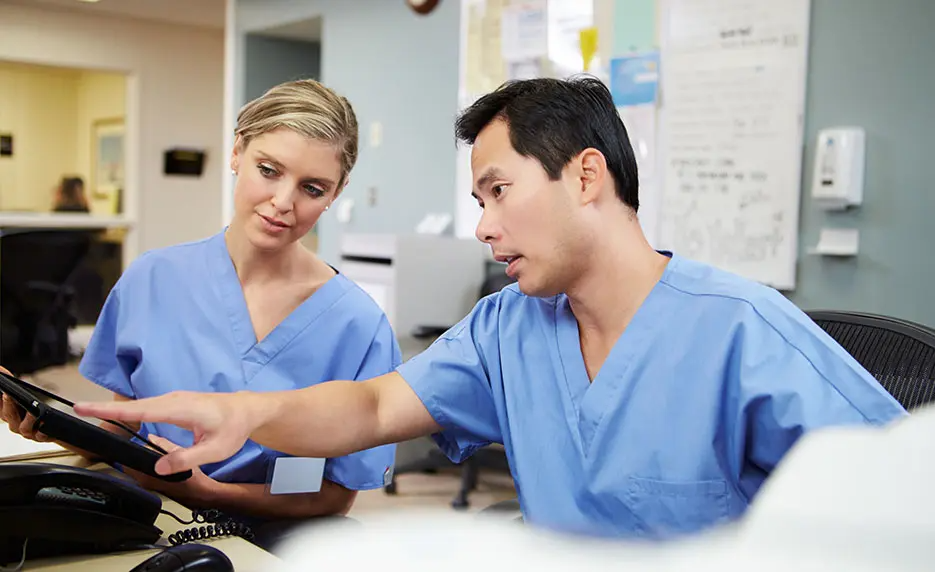 Learn what it takes to have a successful career as an administrative medical assistant. This course explores the job of an administrative medical assistant (AMA) in a doctor's office—from appointment scheduling and chart creation to medical billing and coding—to give you an inside-view of the job.
 Take your first step toward a career as a healthcare documentation specialist, also called medical transcription! You will learn traditional transcription of the most common medical reports used in both inpatient and outpatient settings and learn about the skills needed for voice recognition (VR) editing and scribing.